




Table of Contents
- Mindfulness as a Surprising Companion
- Decoding the Science of Mindfulness for ADHD
- Mindfulness in Motion: Real-Life Stories
- Embracing Mindfulness with ADHD
- Navigating Impediments to Mindfulness
- The Harmony of Mindfulness and Medication
- Anticipating a More Measured Life
- Mindfulness: Pathway to Self-Discovery
- References
Key Takeaways
- Mindfulness provides a vital pause, helping those with ADHD improve emotional regulation.
- Research shows mindfulness enhances focus and emotional balance by activating the prefrontal cortex.
- Integrating mindfulness into daily routines can transform impulsive reactions into considered responses.
- Mindfulness can complement medication and therapy for a holistic approach to managing ADHD.
Mindfulness as a Surprising Companion
Think about observing your thoughts, your swirling emotions, without plunging into despair or guilt. Mindfulness makes this possible. It’s not just a fleeting trend; it’s about staying in the moment, recognizing thoughts and feelings for what they are, minus the judgment. For those grappling with ADHD, mindfulness is less buzzword, more lifeline.
“Mindfulness endows those with ADHD with the pause necessary between trigger and reaction, reshaping decisions for the better.”
— Dr. Sarah Chen, Clinical Psychologist, NYU
Decoding the Science of Mindfulness for ADHD
Mindfulness being a key player in managing ADHD’s emotional landscape isn’t just hearsay. Growing research substantiates it. Back in 2021, the Journal of Attention Disorders highlighted a study revealing significant strides in emotional control and anxiety in participants undergoing mindfulness training. It further underscores that mindfulness ramps up prefrontal cortex activity, upping focus and emotional balance—an absolute must when ADHD throws its hat into the ring. It’s akin to sharpening the tools available to your brain’s ‘CEO’ for managing the team.
Mindfulness in Motion: Real-Life Stories
Consider Amira. At 32, her uncontainable outbursts left her spent and plagued by remorse. Through mindfulness, she learns to anchor herself—just two minutes of mindful breathing, recognizing her feelings sans immediate reaction, cultivates newfound serenity.
“It feels like steering my emotional ship rather than being whirled around.”
— Amira, Mindfulness Practitioner
If her ordeal rings a bell, know that countless others face similar struggles. Yet, mindfulness can offer a way to understand and navigate these emotional waters more serenely. Let’s delve into integrating mindfulness into daily life.
Embracing Mindfulness with ADHD
Living in the Now
At its core, mindfulness encourages anchoring into the present moment. For those with ADHD, where distractions loom large, this task can seem Herculean. Start with your breath—a simple yet profound initiation. Even five daily minutes create ripples of difference.
“Concentrating on your breath becomes a mental anchor, deterring impulsive reactions—a boon for ADHD’s unpredictability.”
— Dr. Samuel Wright, ADHD-focused Psychiatrist
Crafting a Mindfulness Habit
Routine, much like learning a new skill, is crucial for mindfulness. Establish a daily practice, perhaps a short meditation upon waking or a mindful stroll post-lunch. Leverage guided meditations until mindfulness becomes instinctive. A Harvard study once pointed out how consistency here is the true game-changer.
Mindfulness in Mundane Chores
Mindfulness isn’t solely reserved for meditation. Incorporate it into the everyday—while dishwashing, for instance, focus on the warm water, soapy textures. During conversations, listen intently; shift focus from inner chaos to the task at hand.
Broader Psychological Benefits
Mindfulness’s byproduct isn’t just muted overwhelming emotions; it enhances mental wellness at large. A report in the APA’s Psychological Bulletin found that individuals often discovered heightened self-awareness and resilience through mindfulness. With consistency, patterns in your emotional responses become clearer, paving the way for managing triggers proactively. This doesn’t just reshape your self-relations but those with loved ones, too.
Navigating Impediments to Mindfulness
To many ADHD folks, quiet meditation seems a distant dream. Can you indeed sit still for a solid twenty minutes? Perfection isn’t the goal, no. Start small, gradually build up. It’s alright to feel restless. Embrace these distractions as part of the learning. Consider activities like doodling or knitting as bridges into active mindfulness—handy for those agitated by static meditation.
The Harmony of Mindfulness and Medication
For some, mindfulness complements medication in navigating ADHD. Therapy, meds, mindfulness—they’re not mutually exclusive.
“It’s not a matter of replacement but amalgamation.”
— Dr. Wright, ADHD-focused Psychiatrist
A holistic strategy taps into the multifaceted nature of ADHD.
Anticipating a More Measured Life
Mindfulness cannot erase ADHD, but it can definitely tweak how challenges are confronted. Envision stepping away from that emotional vortex, calmly observing instead. Choose reactions. Embrace authenticity. Each day, every moment—a chance to blend mindfulness for better emotional regulation. Skipped your morning practice? Save it for evening. Faced a rough patch? Turn it into a learning opportunity. Remember, mindfulness is a trek, not a sprint.
Emotional storms may loom ahead, but with each mindful step, you’re redefining how you relate to your emotional spectrum, inching towards living with increased intent and clarity.
Mindfulness: Pathway to Self-Discovery
Mindfulness is a viable, earth-grounded path for unraveling ADHD’s complex emotional tapestry. It fosters dialogue within, promoting a balanced mental ecosystem. As you dive deeper, know you’re nourishing the chief relationship—the one with yourself.
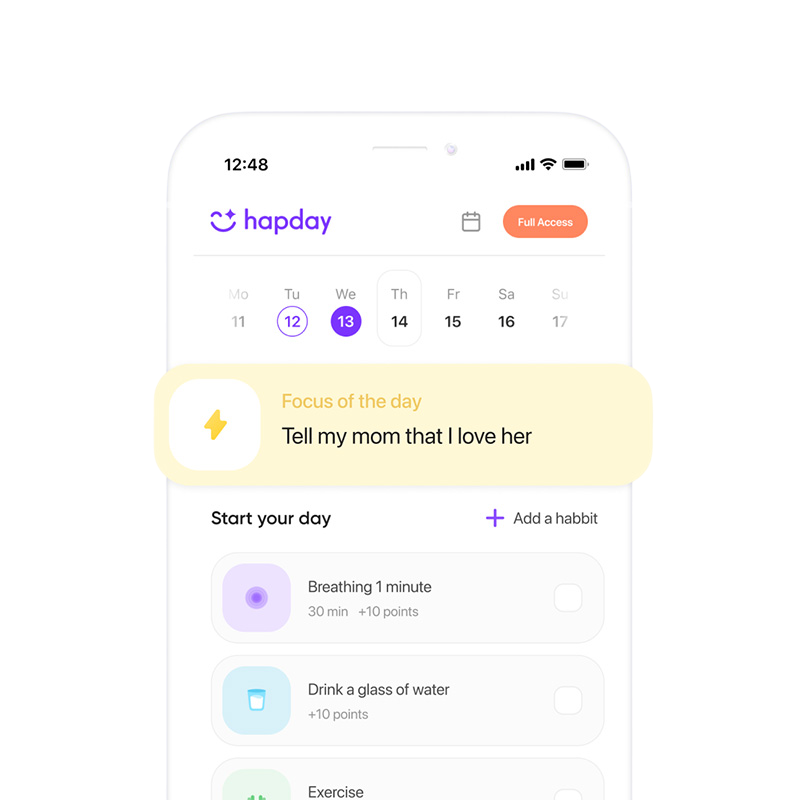
Trust this mindful journey of uncovering emotional depth? Give a thought to Sunrise – ADHD Coach, an app that merges mindfulness, targeted focus tools, with habit trackers specially designed for ADHD needs. Embark today, paving a mindful route in managing ADHD.
References
- Journal of Attention Disorders
- APA’s Psychological Bulletin
The Bottom Line
Mindfulness serves as a powerful ally for those with ADHD, fostering emotional regulation, resilience, and a deeper self-understanding. By integrating mindfulness into daily life, individuals can navigate the challenges of ADHD with greater clarity and composure.