




Table of Contents
- Understanding the ADHD Brain
- Recognizing the Patterns
- Strategies to Regain Focus
- Implementing Focus-Enhancing Environments
- The Role of Nutrition and Lifestyle
- Resilience and Mindset
- Building a Support System
- Closing Thoughts
- References
Key Takeaways
- Understanding ADHD helps in identifying and managing distractions effectively.
- Daily strategies, like breaking tasks down and utilizing movement, can enhance focus.
- Creating a supportive environment and maintaining a healthy lifestyle significantly impact attention levels.
- Resilience and a positive mindset are crucial to overcoming distractions.
- Utilizing tools like focused apps can provide personalized support for managing ADHD.
Understanding the ADHD Brain
To grasp how we can restore our focus, we first need to understand why our minds drift in the first place. Back in 2021, a study from the National Institute of Mental Health described ADHD as a condition that disrupts the brain’s executive functions—those invaluable processes like memory, flexible thinking, and self-restraint. When our attention splinters, these functions fizzle out, leaving us stumbling around in a cognitive haze.
“The ADHD brain is on a constant quest for novelty and stimulation. It’s great at spotting new, exciting stimuli but can lose sight of ongoing tasks just as easily.”
— Dr. Sarah Chen, Clinical Psychologist, NYU
Recognizing the Patterns
Feeling defeated every time your focus wanes? You’re not alone. Identifying the triggers that send your mind wandering can be surprisingly empowering. Consider Maya, 28, who during her messy divorce, perpetually drifted into reverie and negative spirals at work. For her, spotting the triggers—whether it was a ringing phone or a stray email—became the key to breaking free.
Strategies to Regain Focus
The Science Behind Regaining Focus
What makes certain strategies click for ADHD minds? Research from the American Psychological Association indicates it’s all about tricking those reward pathways in the brain. ADHD brains often have a dopamine deficit—a chemical tied to motivation and reward. By deploying strategies that mimic the dopamine kick, re-engaging our focus becomes tangible.
How to Re-engage with Your Task:
- 1. Break It Down
Caught in a swirl of tasks, a mountain looks unscalable. Dr. Chen recommends, “Shrink the task. Break it into bite-sized, manageable chunks. With each tiny triumph, you’re boosting dopamine and cutting the overwhelm.”
Pro Tip: Start with the simple: The Two-Minute Rule. If you can finish a task in two minutes, do it now. - 2. Utilize Movement and Space
Movement can spark focus. The World Health Organization once noted that physical activity amps up our cognitive abilities. Stand up, stroll to the next room, stretch—whatever gets your blood moving.
Maya, post-divorce, found tranquility and clarity on short walks between tasks. Return to the desk, mind renewed, focus better than before.
- 3. The Pomodoro Technique
Harness time management with techniques like Pomodoro. Set a timer for 25 minutes on a single task, then pause. Short focus followed by a break prompts the dopamine-reward loop without overwhelming your mind.
- 4. Mindful Breathing
Controlled breathing can refresh your mental state. The National Center for Complementary and Integrative Health supports the idea that mindfulness enhances attention by soothing the nervous system.
Try it: inhale for four seconds, hold for seven, exhale for eight. Three rounds of this can work wonders.
- 5. Digital Boundaries
Our devices can be a double-edged sword for ADHD individuals. Set limits through digital tools—focus apps, site blockers, and the like. Dr. Chen suggests, “Try a small digital detox by creating phone-free spaces or time slots in your schedule.”
Implementing Focus-Enhancing Environments
Personalize Your Space
Your environment significantly affects focus. Consider every sense—sight, sound, smell—can either distract or create calm and productivity.
Soundscapes and Soundtrack Solutions
Many folks with ADHD find that a bit of background noise or music helps anchor them. Explore different soundscapes with headphones. Platforms and apps designed to enhance focus through sound can prove invaluable.
Maya swore by nature tracks like rain or ocean sounds. For her, these auditory cues had a marked improvement on her focus.
The Role of Nutrition and Lifestyle
We might overlook it, but diet and lifestyle are central to focus. According to the Mayo Clinic, dietary choices can influence ADHD symptoms considerably.
Dietary Habits
Maintain a balanced diet rich with proteins and omega-3s. They’re linked to higher brain function.
Rest and Routine
Decent sleep patterns and established routines are formidable allies. While a good sleep schedule bolsters attention, routines offer the predictability and order our ADHD brains hunger for.
Resilience and Mindset
Reframe Your Attitude
Try not to see setbacks as failures. Dr. Chen emphasizes, “Cultivate a mindset of curiosity and resilience. Every distraction is a moment to refine your focus techniques.”
Building a Support System
Coaches, therapists, support groups—tap into them. Shared experiences and strategies can hold immense power.
Closing Thoughts
Reclaiming focus after distractions in an ADHD world isn’t just about willpower. It’s about assembling a toolkit aligned with your unique mind’s workings. From physical movement to mindful breathing, nutrition to environmental adjustments, each piece plays its part in steering you back to focus.
If you’re reading this, you’re a step closer to mastering your focus. Remember—patience is vital, and regaining focus is an evolving skill.
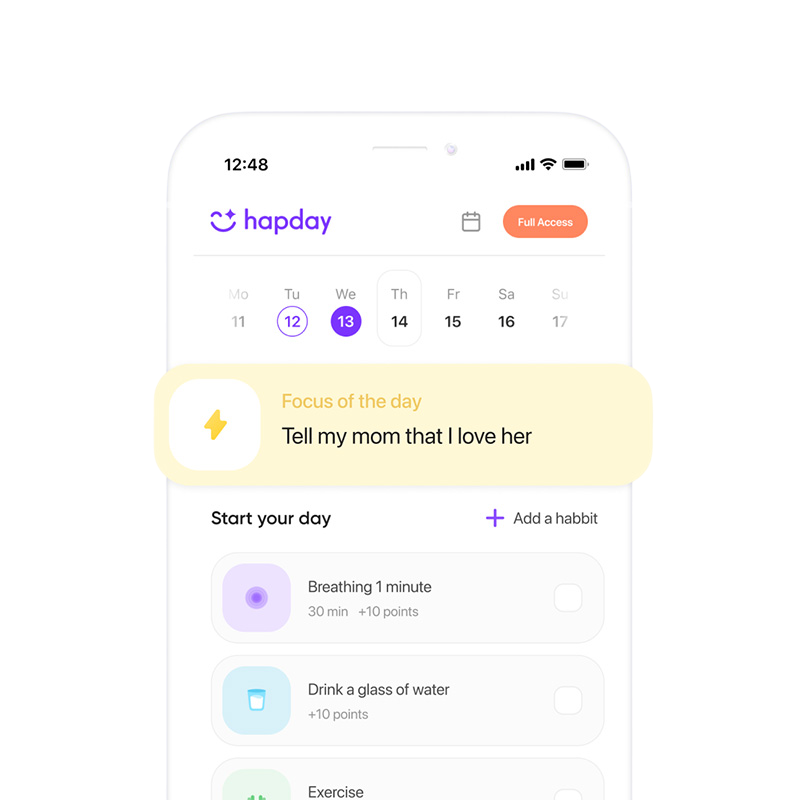
Ready to revamp your focus? Try Sunrise – ADHD Coach, an app customized for ADHD minds, packed with habit tracking, focus enhancers, and AI-powered planning tailored to you. Dive into your focus journey today.
The Bottom Line
Regaining focus in an ADHD world requires understanding, strategic action, and support. By implementing specific techniques and adjustments tailored to the ADHD brain, individuals can improve their attention and productivity, transforming distractions into manageable challenges.
References
- National Institute of Mental Health. Attention-Deficit/Hyperactivity Disorder (ADHD).
- American Psychological Association. ADHD and executive function.
- World Health Organization. Physical activity and brain health.
- National Center for Complementary and Integrative Health. The use of mindfulness meditation in treating ADHD.
- Mayo Clinic. ADHD diet and nutrition recommendations.