





Table of Contents
- Understanding the ADHD Mind
- A Personal Story: The Case of Jason
- The Science Behind Focus and ADHD
- Creating an ADHD-Friendly Focus Environment
- Establishing a Consistent Routine
- Tools and Technology That Support Focus
- Integrating Mindfulness and Relaxation Techniques
- Self-Care: The Foundation of Focus
- Building a Supportive Community
- When Medication Comes Into Play
- Empowering Your ADHD Journey
- The Bottom Line
Understanding the ADHD Mind
The ADHD brain is a fascinating place, buzzing with creativity and energy—yet it’s often marked by an inability to focus on a single task. And here’s the critical part: it’s not simply about willpower. It goes much deeper, rooted in neurological wiring. Harvard Health outlines how ADHD affects the brain’s prefrontal cortex, which in turn impacts planning, time management, and the ability to regulate attention.
“People with ADHD often experience a heightened need for stimulus due to dopamine dysregulation, which can make sustained concentration particularly elusive.”
— Dr. Sarah Chen, Clinical Psychologist at NYU
A Personal Story: The Case of Jason
Consider Jason, a 31-year-old graphic designer juggling ADHD. Each day commences with resolve only to unravel as emails, messages, and looming project deadlines compete for his attention. His creativity, a double-edged sword, sometimes pivots into distraction if there’s no structured focus. But Jason discovered how to harness his unique brain by implementing strategies aligned with his ADHD.
The Science Behind Focus and ADHD
The ADHD brain is wired to crave novelty and excitement, which often leads to hyperfocus on activities that captivate interest. On the flip side, mundane tasks can feel insurmountable. According to the National Institute of Mental Health, ADHD correlates with atypical neurotransmitter levels—like dopamine—that influence attention span. Simple tasks don’t trigger a sufficiently rewarding dopamine release, making focus tough.
“Understanding your brain’s chemistry can help deploy techniques to increase motivation and maintain attention on less thrilling tasks.”
— Dr. James O’Sullivan, Neuropsychologist
Creating an ADHD-Friendly Focus Environment
- Design Your Space: Tailor your workspace. Opt for minimalism to avoid sensory overload. When your physical environment is organized, your mental clarity often follows suit.
- Use Visual Cues and Timers: For Jason, a visual schedule kept him grounded. Methods like the Pomodoro Technique—brief focus intervals pooled with short breaks—can instigate both urgency plus structure, bolstering productivity.
- Incorporate Movement: Physical activity can heighten dopamine production, serving as a natural stimulant. Consider frequent exercise breaks or a standing desk if seated work stifles focus.
Establishing a Consistent Routine
Cultivating and sticking to a routine can revolutionize daily life. Why so? Routines cut down decision fatigue, preserving mental energy for more substantial tasks.
Routine Strategies:
- Morning Rituals: Jason starts each day with a grounding ritual—be it meditation, journaling, or even a brisk walk—to set his day’s tone.
- Prioritization: Kick off your day prioritizing “Most Important Tasks” to ensure you’re targeting what truly matters. Utilize tools like Kanban boards to visualize task progress.
- Time-Boxing: Allocating specific time slots for various work types frames a predictable scaffold limiting potential distractions.
Tools and Technology That Support Focus
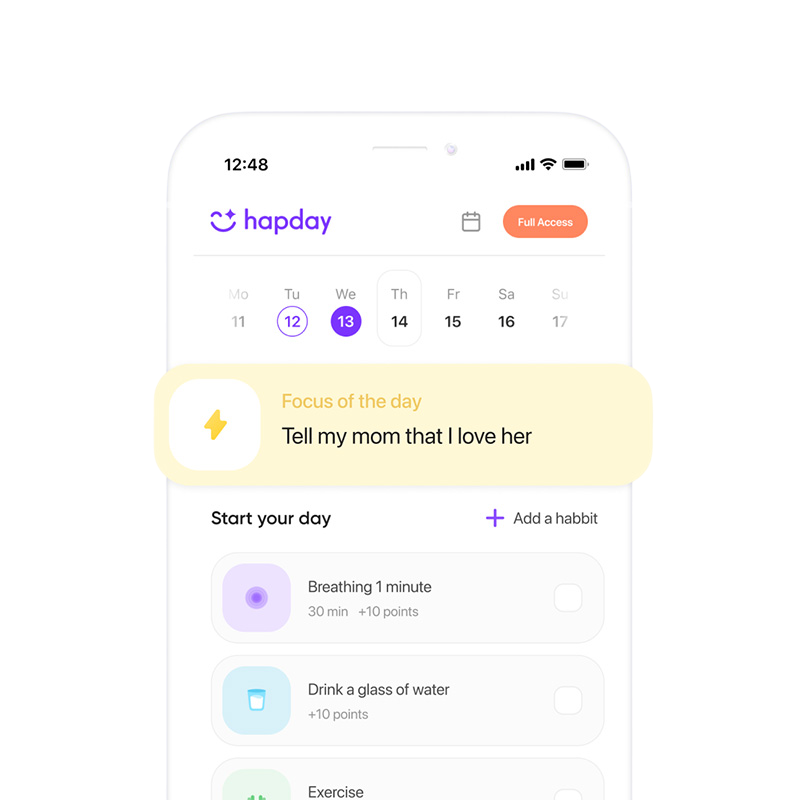
Technology can revolutionize how we approach productivity. Apps tailored for ADHD streamline workflows. Apps like Forest, for example, gamify the process, nurturing concentration by growing a virtual tree as you fend off distractions.
“Instead of serving as a diversion, technology should enhance focus. The right tools can bring about a meaningful difference.”
— Dr. Michael Stein, ADHD Specialist
Integrating Mindfulness and Relaxation Techniques
Managing an ADHD mind, racing with thoughts, often benefits from mindfulness practices. Meditation can seem daunting initially, but just beginning with five minutes of focused breathing can mitigate restlessness, enhancing task concentration.
Mindfulness to Try:
- Guided Meditation: Apps like Headspace cater to every experience level.
- Mindful Breathing: Pause regularly for deep breaths, recalibrating attention.
- Body Scans: Recognizing tension spots and releasing them could bolster overall focus.
Self-Care: The Foundation of Focus
Self-care isn’t just luxurious respite for those with ADHD; it’s a necessity. Prioritizing sleep, nutrition, and emotional well-being significantly drive sustained focus. Like your smartphone’s inevitable need for charging, your mind and body require regular refueling. Ensure that:
- Adequate Sleep Hygiene: Proper sleep impacts cerebral task management. The CDC advocates for 7-9 hours of quality sleep.
- Balanced Nutrition: Omega-3-rich foods, like salmon, enhance brain function.
- Caffeine Limitation: While caffeine metabolism varies person-to-person, it may exacerbate ADHD symptoms. Be mindful of your consumption.
Building a Supportive Community
Navigating daily life with ADHD becomes less overwhelming surrounded by a compassionate community. Connecting with others sharing similar experiences delivers both emotional support and practical advice.
- Join ADHD Support Groups: Engage with online or local forums for communal experience and solutions.
- Therapy and Coaching: Professional guidance through therapy or ADHD coaching can potentially tailor strategies to your needs.
When Medication Comes Into Play
For some individuals, medication plays a pivotal role alongside lifestyle adjustments. Under professional supervision, stimulants can manage neurotransmitter regulation necessary for attention.
“Medication isn’t singularly a solution but a tool designed to bridge the gap, enabling individuals with ADHD to effectively implement focus strategies.”
— Dr. Ethan Wells, Expert in ADHD
Empowering Your ADHD Journey
Imagine wrapping up your day not with discontent but with quiet triumph. By comprehending how your brain thrives and implementing targeted strategies, focus is less elusive. Embrace your creativity, develop self-serving routines, and seek out essential support.
Key Takeaways
- Understanding ADHD’s unique brain chemistry can help tailor effective focus strategies.
- Creating an organized and stimulus-controlled environment enhances concentration.
- Routine, self-care, and supportive communities are essential for managing daily challenges.
- Technology can support focus when used purposefully.
- Medication may serve as a helpful tool alongside behavioral strategies.
The Bottom Line
Rewriting your narrative is within reach. The key lies in amalgamating self-awareness, increasingly effective tools, and community backing. Whether you’re ticking off small chores or tackling substantial projects, each achievement is a triumph. As you continually learn how best to harness ADHD for sharper focus, contemplate utilizing tools tailored to cater to your needs.
Consider exploring further with Sunrise – ADHD Coach, an app crafted to enhance productivity and focus for adults with ADHD. Leverage Sunrise for tracking habits, prioritizing tasks, and unlocking strategies customized for you.
References
- Harvard Health Publishing
- National Institute of Mental Health
- Centers for Disease Control and Prevention