




Mastering Focus: Unlocking the Secrets to Enhanced Attention for Adults with ADHD

Table of Contents
- Understanding ADHD and Focus
- ADHD and the Brain
- Practical Strategies to Enhance Focus
- Setting Clear Goals
- Harnessing the Power of Routine
- Mindfulness and Meditation
- Leveraging Technology
- Nutrition and Physical Activity
- Navigating Emotional Wellness with ADHD
- Seeking Professional Guidance
- Final Thoughts
Understanding ADHD and Focus
ADHD isn’t about being inattentive. Rather, it’s a neurodevelopmental disorder involving issues with executive functions like planning and impulse control. Often dismissed as a childhood concern, its threads weave well into adulthood, demanding distinct strategies to manage focus.
ADHD and the Brain
It’s more than just behavior—it’s science. Research highlights how ADHD impacts the neural pathways in our brains, especially affecting the prefrontal cortex. This region, crucial for decision-making and attention, when disrupted, poses a substantial challenge (Arnsten & Rubia, 2012). Grasping these neurological basics is crucial for crafting effective focus strategies. After all, can you fight an enemy you don’t understand?
Practical Strategies to Enhance Focus
ADHD’s challenges are plenty, but there are pragmatic strategies that help sharpen focus.
1. Setting Clear Goals
The idea isn’t just goal-setting; it’s setting clear goals. Take an overwhelming task and chop it into bite-sized pieces. Tools like SMART goals—being specific, measurable, achievable, relevant, and time-bound—can offer a roadmap. Isn’t it always better to know where you’re headed?
2. Harnessing the Power of Routine
Routine? It’s more powerful than many give it credit for. Establishing regular schedules, with breaks and proper sleep—7 to 9 hours as recommended by the American Sleep Association—can work wonders. It’s like wind in the sails of cognitive function.
3. Mindfulness and Meditation
Mindfulness is no magic wand, but its potential can’t be ignored. There’s evidence, like Zylowska’s study in 2008, indicating mindfulness boosts focus, emotion regulation, and self-compassion. Who doesn’t need a bit more of that?
4. Leveraging Technology
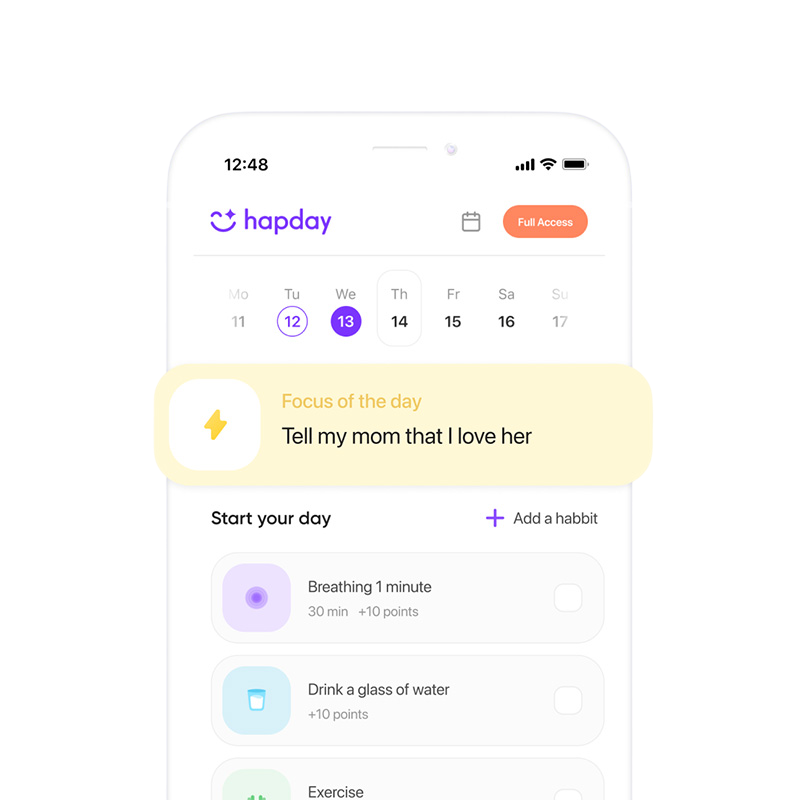
Tech—friend or fiend? While tools like Todoist or Trello streamline tasks, balance is key. You might find yourself editing lists instead of executing them. Forest, an app to minimize distractions, strikes a chord, but don’t let tech overwhelm take the stage.
5. Nutrition and Physical Activity
The link between what we eat and how we feel isn’t new. Nourishing the brain with omega-3 fatty acids, proteins, and vitamins enhances neurotransmitter function (Richardson & Montgomery, 2005). And the importance of exercise? It lifts dopamine and norepinephrine levels—key to attention regulation.
Navigating Emotional Wellness with ADHD
Our emotions steer us. And ADHD amplifies that influence, proving that holistic strategies aren’t just beneficial, they’re vital.
Managing Stress and Anxiety
Stress… it’s like fuel on the ADHD fire. Techniques like deep breathing, yoga, and muscle relaxation offer tools for taming it. Cognitive-behavioral therapy (CBT), too, plays a vital role—promoting coping strategies and reducing anxiety (Safren et al., 2010).
Building a Support Network
Think you can do it alone? Building connections with those who “get it” can provide both support and accountability. Sharing experiences, be it with peers or professionals, can validate and offer practical advice.
Embracing Self-Compassion
Negative self-talk—an ADHD staple—cripples focus and motivation. Repeating gentle affirmations when you’re down can transform mindsets (Neff & Germer, 2013). Isn’t kindness to oneself a valuable first step?
Seeking Professional Guidance
Professional help is often invaluable. Psychologists, psychiatrists, and ADHD coaches design tailored strategies. They sometimes prescribe stimulants to enhance focus by boosting dopamine levels. And remember, medication discussions should always involve a healthcare provider.
Final Thoughts
The path to mastering focus isn’t straightforward; it’s a mosaic of practical strategies and emotional health care. Recognizing the unique challenges of ADHD while leveraging science-backed tools can uplift attention, productivity, and well-being.
Setting goals, sticking to routines, and caring for your emotional health is more than advice—it’s a journey’s compass. Consider joining communities like FocusFlows for support, resources, and stories of shared victories and setbacks. We all strive to focus and thrive.
References:
- Arnsten, A., & Rubia, K. (2012). Neurobiological circuits regulating attention, cognitive control, motivation, and emotion: Disruptions in neurodevelopmental psychiatric disorders. Journal of the American Academy of Child & Adolescent Psychiatry, 51(4), 356-367.
- Kessler, R. C., et al. (2006). The prevalence and correlates of adult ADHD in the United States: Results from the National Comorbidity Survey Replication. American Journal of Psychiatry, 163(4), 716-723.
- Neff, K. D., & Germer, C. K. (2013). A pilot study and randomized controlled trial of the mindful self-compassion program. Journal of Clinical Psychology, 69(1), 28-44.
- Richardson, A. J., & Montgomery, P. (2005). The Oxford-Durham study: A randomized, controlled trial of dietary supplementation with fatty acids in children with developmental coordination disorder. Pediatrics, 115(5), 1360-1366.
- Safren, S. A., et al. (2010). Cognitive-behavioral therapy for ADHD in medication-treated adults with continued symptoms. Behaviour Research and Therapy, 48(6), 532-539.
- Zylowska, L., et al. (2008). Mindfulness meditation training in adults and adolescents with ADHD: A feasibility study. Journal of Attention Disorders, 11(6), 737-746.