




Table of Contents
- Understanding the ADHD Brain
- Impact of ADHD on Focus and Productivity
- Strategic Approaches to Enhancing Focus
- Leveraging Technology for Focus
- Nutrition and Exercise: Allies in Focus
- Recognizing and Addressing Emotional Wellness
- A Continuing Journey
Understanding the ADHD Brain
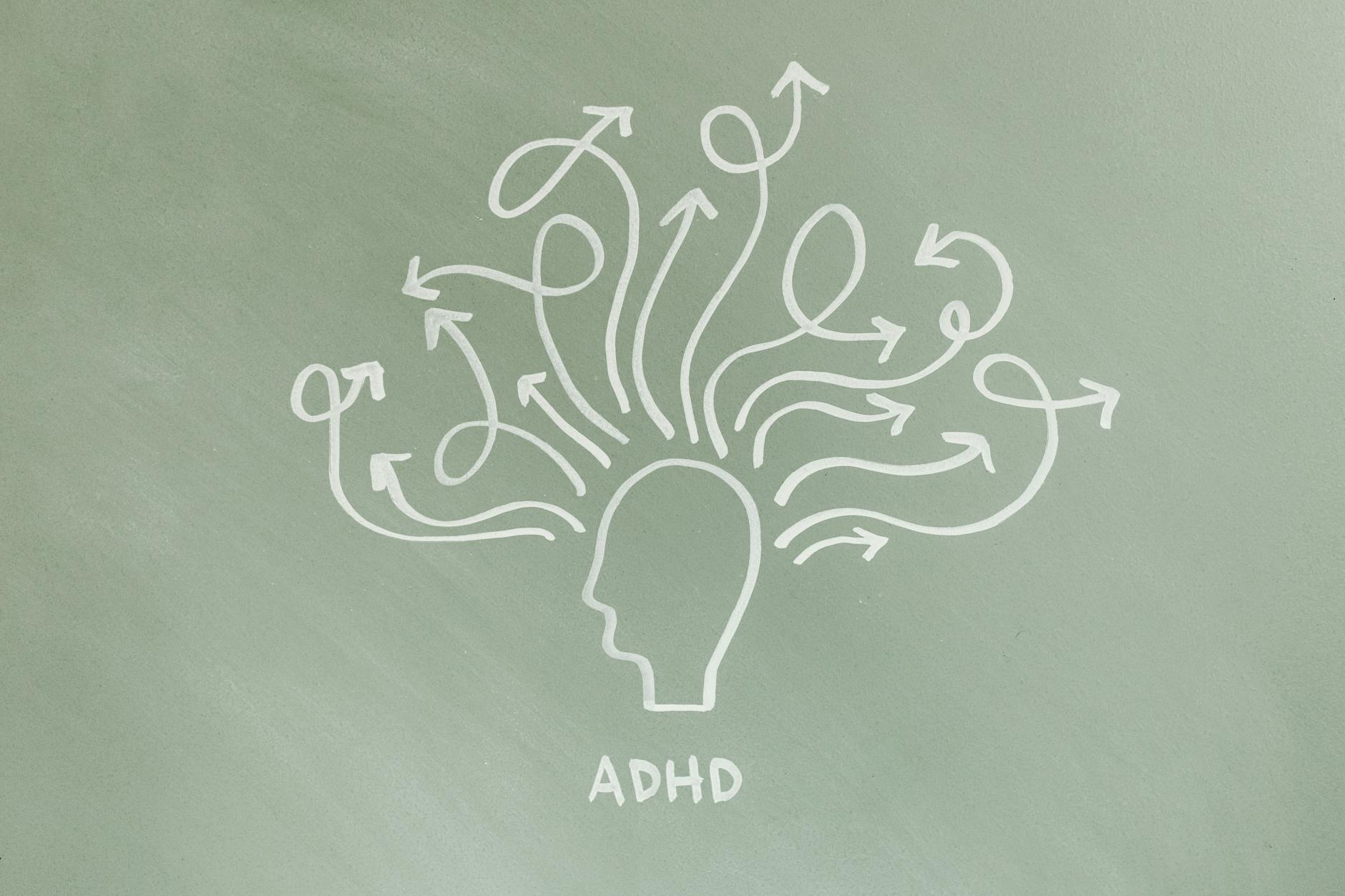
Did you know that roughly 2.5% of adults across the globe are affected by ADHD, as highlighted by a publication from The Journal of Clinical Psychiatry back in 2009? The neural pathways here don’t play by the usual rules—particularly those responsible for attention and impulse control. This deviation results in challenges surrounding focus, organization, and even time management. Recognizing these peculiarities is essential for navigating the ADHD landscape effectively.
Impact of ADHD on Focus and Productivity
Symptoms such as inattention, easy distraction, and bursts of boundless energy are typical with ADHD. These can morph everyday settings into an exhausting battleground loaded with information and constant demands. This can, unsurprisingly, spark a cycle of frustration and reduce productivity. But, identifying these hurdles can pave the way for crafting personalized strategies to tackle them head-on.
Strategic Approaches to Enhancing Focus
- Setting Clear, Achievable Goals
- Setting SMART goals—Specific, Measurable, Achievable, Relevant, Time-bound—might just be your new best friend. They’re especially handy in deconstructing daunting tasks, making giant projects less overwhelming and motivation easier to find.
- Digital tools like Trello or Notion can be invaluable, helping visualize tasks.
- Alarms or timers? Definitely set them to remind yourself of those pesky deadlines or signal task transitions.
- Mindfulness and Meditation
- Mindfulness can work wonders—enhancing attention and decreasing stress—which is particularly beneficial to those with ADHD (Zylowska et al., 2008). Including brief meditation breaks can aid not just focus, but also emotional regulation.
- Apps like Headspace or Calm design quick, guided meditations tailored for the time-constrained among us.
- Start with short mindfulness practices daily, increasing the duration gradually as you get comfortable.
- Creating an Optimal Work Environment
- An inviting, organized environment can immensely boost focus and productivity. Here’s what to think about:
- Noise? Try noise-cancelling headphones or white noise apps.
- Reduce visual clutter on your desk to minimize distractions.
- Opt for lighting setups that minimize eye strain, helping maintain focus.
Leveraging Technology for Focus
- Focus-Enhancing Applications
- Imagine the app Forest, which encourages staying away from your phone by nurturing a digital tree as long as you stay focused. It’s a gentle nudge for avoiding distractions.
- Time-Management Tools
- The Pomodoro Technique—a cycle of 25 minutes of concentration followed by a 5-minute breather—works hand in glove with the ADHD brain’s need for regular pauses.
- Apps like Be Focused help integrate this method by structuring work and rest into a manageable schedule.
Nutrition and Exercise: Allies in Focus
Diet and exercise play more than a minor role in managing ADHD’s quirks. Research suggests physical activity heightens cognitive performance and mitigates ADHD symptoms (Pontifex et al., 2013). Balanced diets stabilize mood and energy, fortifying concentration.
- Omega-3s—found aplenty in fish and flaxseeds—are linked with improved brain function.
- Regular exercise, even if it’s just a brisk walk, can elevate brain function and alleviate stress.
Recognizing and Addressing Emotional Wellness
When navigating ADHD, emotional awareness is as invaluable as managing distractions. Emotional dysregulation can amplify ADHD-related challenges, making emotional wellness pivotal.
- Cognitive Behavioral Therapy (CBT)
- CBT works wonders, helping individuals adjust thought patterns that influence behavior and emotional reactions (Knouse & Safren, 2010).
- Connect with a therapist acquainted with ADHD or CBT to glean coping skills tailored to your specific challenges.
- Building a Support Network
- Surround yourself with understanding friends, family, or support groups. Resources and community connections like those provided by CHADD can be lifesavers for adults living with ADHD.
A Continuing Journey
Navigating the intricacies of ADHD is not just a struggle—it’s a journey towards self-understanding and adaptation. Implementing these strategies can shift challenges into empowerment roles, improving both productivity and emotional health. Recognizing the distinctive workings of your mind, incorporating technology, and prioritizing physical and emotional wellness might just be the key to crafting a personal roadmap to success.
Remember to adopt these strategies slowly to avoid overwhelm—what works can vary widely from one person to another. Experiment, reflect, and recalibrate your approach to optimize focus and well-being.
Ultimately, unraveling focus isn’t simply about transforming external behaviors. It involves embracing an awareness of your own mind and its exceptional capabilities.
Consider initiating your exploration by picking a single strategy from above. What boosts your focus and productivity? Embrace your journey with the right mindset and tools—it’s a limitless path.
—
References:
- Simon, V., Czobor, P., Balint, S., Meszaros, A., & Bitter, I. (2009). Prevalence and correlates of adult ADHD: meta-analysis. The British Journal of Psychiatry, 194(3), 204-211.
- Zylowska, L., Ackerman, D. L., Yang, M. H., Futrell, J. L., Horton, N. L., Pataki, C., & Smalley, S. L. (2008). Mindfulness meditation training in adults and adolescents with ADHD: A feasibility study. Journal of Attention Disorders, 11(6), 737-746.
- Pontifex, M. B., Saliba, B. J., Raine, L. B., Picchietti, D. L., & Hillman, C. H. (2013). Exercise improves behavioral, neurocognitive, and scholastic performance in children with ADHD. The Journal of Pediatrics, 162(3), 543-551.
- Knouse, L. E., & Safren, S. A. (2010). Current status of cognitive behavioral therapy for adult attention-deficit hyperactivity disorder. Psychiatric Clinics, 33(3), 497-509.