





Table of Contents
- Understanding ADHD Working Memory
- The Significance of ADHD Working Memory
- Quick Techniques to Enhance ADHD Working Memory
- Technology and Cognitive Aids
- Nutrition and Cognitive Health
- Seeking Professional Support
- Closing Thoughts
Understanding ADHD Working Memory
Working memory is like the brain’s scratchpad—it temporarily stores and manipulates information for tasks like reasoning, learning, and comprehension. For those with ADHD, deficits in this area are common and can affect both academic performance and daily routines.
A staggering 4.4% of adults grapple with ADHD, the National Institute of Mental Health points out. Experiencing memory slips, like misplacing keys or forgetting verbal instructions, is not just frustrating—it can be maddening. These occurrences are often misunderstood, fueling broader misconceptions about ADHD.
The Significance of ADHD Working Memory
Troubles with ADHD working memory can ripple through numerous aspects of life. Whether it’s participating in a conversation or tackling multi-step tasks, the ability to store and retrieve information is crucial. Research connects these limitations to outcomes in education and job performance. Consequently, tackling working memory challenges can lead to noteworthy improvements.
In a 2019 study published in the Journal of Attention Disorders, data showed that working memory impairments in ADHD patients align closely with symptom severity. This highlights the importance of integrating working memory enhancements into ADHD management plans.
Quick Techniques to Enhance ADHD Working Memory
Understanding is the starting point, yet action propels change. Here are some strategies that many find effective in improving ADHD working memory:
Mindfulness and Meditation
Practicing mindfulness has been shown to bolster working memory significantly. By fostering present-moment awareness, mindfulness can hone both attention and memory capacity. According to a study in the journal Psychological Science, students trained in mindfulness performed better on memory tasks and had heightened concentration.
Chunking Information
Breaking down information into smaller, digestible units—or ‘chunking’—can ease processing and recall. This method proves beneficial in various situations, from exam preparation to following directions. It leverages the brain’s built-in capabilities, preventing overwhelm from excessive information.
Physical Exercise
Exercise is a boon for cognition and memory function. Regular physical activity boosts brain-derived neurotrophic factor (BDNF), which is crucial for nerve growth and brain function. Harvard Medical School notes that exercise releases neurochemicals that aid working memory, attention, and processing speed.
Visualization Techniques
Using imagery and cues to enhance visual memory can substantially help in retaining information. Crafting vivid mental images linked to material can anchor information effectively, aiding not just memory recall but also sparking creativity and enhancing problem-solving skills.
Technology and Cognitive Aids
Memory Apps
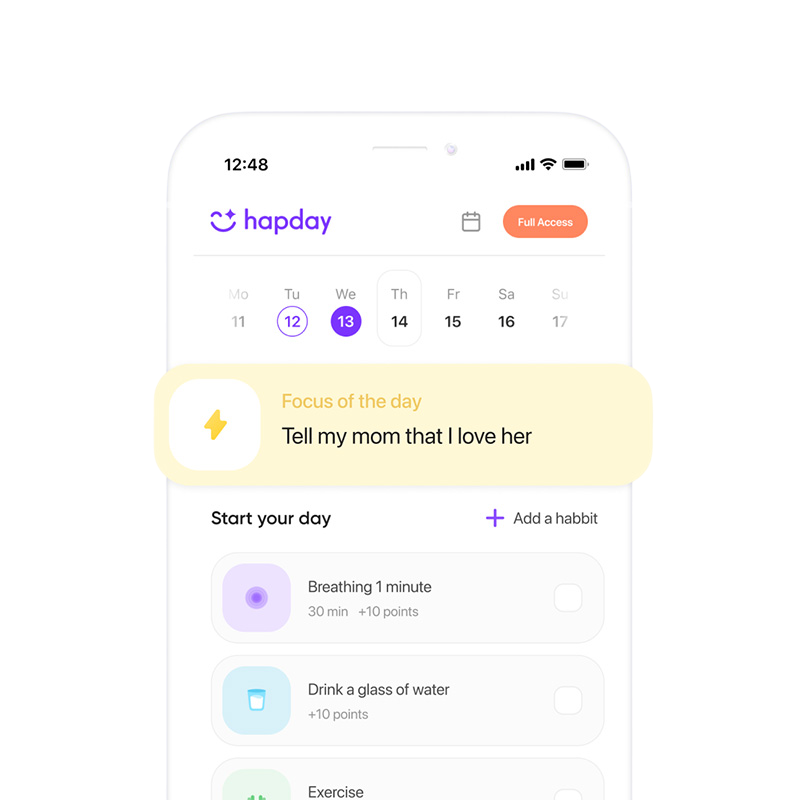
Modern technology offers impressive tools for managing ADHD working memory. Apps like Evernote, Todoist, and Google Keep facilitate organizing thoughts, setting reminders, and managing tasks efficiently. Acting as external memory aids, these technologies lighten the working memory’s load.
Cognitive Training Programs
Software such as Cogmed and Lumosity have gained traction for their claims of boosting working memory via targeted exercises. While further research is needed to cement their efficacy, many users report improvements in focus and memory retention.
Nutrition and Cognitive Health
Balanced Diet
A nutritious diet is foundational for optimal brain function. Foods rich in omega-3 fatty acids, like fish and flaxseeds, are linked to enhanced cognitive function. Consuming ample fruits, vegetables, and lean proteins provides essential nutrients supportive of memory and attention.
Hydration
Adequate hydration is critical for cognitive processing, yet it’s frequently underestimated. Even mild dehydration can impair working memory and focus. Regular water intake throughout the day is a simple strategy to bolster brain health.
Seeking Professional Support
Collaborating with a healthcare provider knowledgeable about ADHD provides tailored strategies, medication options, and therapeutic interventions aimed at improving working memory. Cognitive Behavioral Therapy (CBT) is particularly effective for developing memory skills and adaptive coping mechanisms.
Closing Thoughts
The challenges posed by ADHD working memory extend beyond mere inconvenience—they affect daily life and overall well-being. By adopting straightforward, proactive strategies, improvements in memory and focus are achievable. With commitment and appropriate support, enhancing working memory can be an attainable, rewarding journey.
Embark on these strategies now—see the change for yourself. Share your experiences in comment sections or on social media. Together, let’s learn and support each other on this path to improved focus and productivity.