


Picture this: it’s 2:17 p.m., the sunlight has turned heavy across your keyboard, and your inbox subjects blur into a single, unyielding line. You sailed through the morning, and then—thud—your ADHD attention span dissolves after lunch. You stare. You refresh. You promise yourself grit will fix it… and nothing moves. If this sounds familiar, you’re not broken. You’re human—and an ADHD brain, especially, tends to dip hard in the early afternoon. I’ve seen this pattern for years in interviews and in my own day; it’s the rule, not the exception.
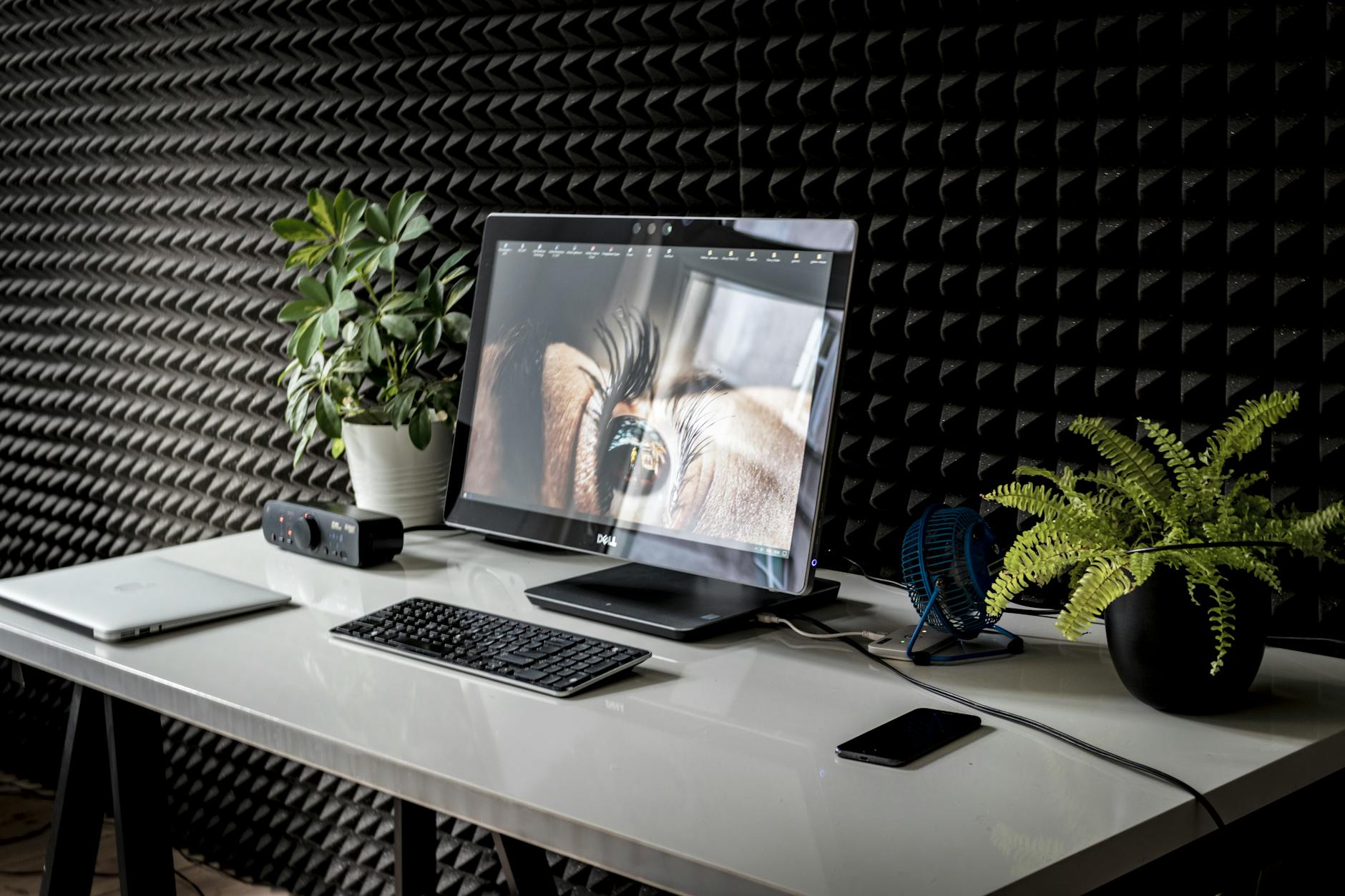
Image alt: Young adult struggling with ADHD attention span at 2 p.m., half-eaten lunch at desk, sunlight across keyboard
Table of Contents
- The invisible 1–3 p.m. collision: body clock, food, and ADHD
- Why after lunch is especially brutal for an ADHD attention span
- Mini case: What turned Maya’s afternoons around
- The science behind the slump—and what helps
- How to rebuild your ADHD attention span between noon and 4 p.m.
- If you take ADHD meds: timing matters
- What about sleep—and why last night predicts today’s focus
- Mini case: Devon’s “two-switch” afternoon
- When your afternoon crash means something else
- A gentler way to see your afternoons
- Summary + CTA
- The Bottom Line
- References
Key Takeaways
- Early afternoons bring a natural circadian dip that ADHD brains feel more intensely.
- Steady-fuel lunches (protein + fiber + healthy fat), brief post-lunch movement, and bright light curb the crash.
- Sleep quality and smart caffeine timing shape how hard the slump hits.
- Use a simple “restart ritual” and schedule lower-friction tasks for 1–3 p.m.
- If you take meds, track timing and discuss adjustments with your prescriber.
The invisible 1–3 p.m. collision: body clock, food, and ADHD
There’s a real, biologically timed lull for most of us in the early afternoon. That slump isn’t a character flaw; it’s circadian timing, the near-24-hour rhythm that regulates sleep-wake drive. The National Institute of General Medical Sciences notes predictable early-afternoon dips for many people (NIGMS). In my view, we underestimate how stubborn that clock can be.
Layer in lunch, with digestion and glucose fluctuations. Add ADHD, where self-regulation already burns more mental fuel. You get a perfect midday crosswind.
“Think of afternoons as a tug-of-war. Your body clock eases off the gas, your digestive system is active, and the prefrontal cortex—the executive hub—is tiring. That’s when the ADHD attention span craters.”
— Dr. Lena Ortiz, Board-Certified Psychiatrist
“Humans have a natural alertness dip early afternoon. People with ADHD feel it more because complex focus is work even in the morning. By 1 or 2 p.m., the cognitive budget is lower, so the dip lands harder.”
— Janelle Brooks, PhD, Sleep Scientist and Chronobiology Researcher
Harvard sleep researchers have made similar points for years.
Why after lunch is especially brutal for an ADHD attention span
- Circadian timing: As midday hits, sleep pressure rises and your internal clock drifts from its morning alertness peak. If you’re short on sleep (very common with ADHD), the drop is steeper. The CDC recommends 7+ hours for adults; chronic short sleep undermines daytime attention and self-regulation (CDC). My take: nothing compensates for sleep debt for long.
- Post-meal physiology: During digestion, blood flow shifts toward the gut and your nervous system leans into “rest-and-digest.” A lunch heavy in refined carbohydrates or light on protein and fiber can amplify glucose spikes and dips. When glucose drops, attention and energy drop, too. Symptoms of low blood sugar often include fatigue and trouble concentrating (NIDDK). This is one lever you can actually control.
- Executive function fatigue: ADHD brains spend the morning directing attention, suppressing distractions, and managing transitions. That’s taxing.
“By early afternoon, self-regulation has a tangible fatigue cost.”
— Dr. Lena Ortiz, Board-Certified Psychiatrist
- Caffeine timing: Caffeine has an average half-life around five hours. A late-morning large coffee can linger into the evening—lighter sleep today, larger slump tomorrow (MedlinePlus). Skip it entirely, and you may drag. The middle path is usually wiser than either extreme.
- Light and movement: Dim indoor light plus prolonged sitting after a meal deepens grogginess. Bright light helps anchor circadian rhythms; movement boosts blood flow and alertness (NIGMS; WHO). If you do one thing, step outside.
- Hydration: Even mild dehydration can leave you tired and foggy. The CDC underscores water’s role in cognition and overall function (CDC). A small oversight with outsized effects.
Mini case: What turned Maya’s afternoons around
When Maya, 28, entered a bruising divorce, her afternoons collapsed into tears. Lunch was a big bowl of pasta at 12:30, followed by a doom-scroll to “reset,” then two lost hours in a woolly haze. Her therapist suggested a low-lift trial: front-load protein and fiber at lunch, take a 12-minute light walk right after, and create a 2:10 p.m. “restart ritual” with a bright desk lamp and noise-canceling headphones. Two weeks in, she described a “flat-to-focused ramp” replacing the cliff-drop. I’ve seen that shift again and again; small, repeatable actions beat motivational pep talks.
The science behind the slump—and what helps
- Protein and fiber steady energy: Protein slows digestion, provides amino acids for neurotransmitters, and helps prevent sharp glucose swings. Fiber blunts glucose peaks and supports gut health (Mayo Clinic). In plain terms, steadier fuel equals steadier focus.
- Light is a biological alert cue: Bright daytime light signals the brain’s master clock in the suprachiasmatic nucleus. Blue light is problematic at night; in daylight, it boosts alertness and reinforces rhythms (Harvard Health). I consider a bright, cool lamp a focus tool, not décor.
- Short movement “resets” the brain: Brief activity increases arousal and circulation, easing post-meal drowsiness (WHO). Even standing to pace during a call counts.
- Caffeine is a tool with a timer: Dose and timing matter. Too much or too late degrades sleep, which compounds the next day’s slump (MedlinePlus). Used skillfully, it’s helpful; used reflexively, it backfires.
- Sleep drives the slope: Start with sleep debt and the afternoon dip grows bigger and arrives earlier (CDC). This is the foundation; everything else is scaffolding.
“A lunch that’s mostly refined starch creates a fast energy spike and an equally fast crash. Pairing 25–35 grams of protein with fiber and some healthy fat makes energy durable. Your ADHD attention span does better with steady fuel.”
— Samir Patel, RD, CDCES, Registered Dietitian and Diabetes Educator
How to rebuild your ADHD attention span between noon and 4 p.m.
These are not perfection rules. Treat them as levers you pull on days you need your brain most. In my view, one or two done consistently beats a dozen attempted once.
-
1) Rethink lunch as a “focus meal”
Why it works: Stable glucose and adequate amino acids support consistent alertness and neurotransmitter production. Large, starchy lunches tend to usher in sleepiness an hour later. I’d argue this is the easiest high-yield change.
How to try it:
- Aim for 25–35g protein + fiber-rich carbs + healthy fat. Examples:
- Rotisserie chicken wrap on whole-grain tortilla, Greek yogurt sauce, side of carrots
- Lentil-and-quinoa bowl with roasted vegetables, olive oil, and feta
- Tofu stir-fry with brown rice, edamame, sesame seeds
- Keep added sugars lower at midday (Mayo Clinic).
- If appetite is low, try a “mini meal” plus a planned 2:30 p.m. protein snack (cheese stick, edamame, tuna packet, yogurt).
Pro Tip: Pre-build 2–3 default lunches that hit protein + fiber. Remove noon decision fatigue by rotating them weekly. - Aim for 25–35g protein + fiber-rich carbs + healthy fat. Examples:
-
2) Make movement your digestive companion
Why it works: A 10–15 minute walk after lunch aids digestion, increases circulation, and lifts arousal enough to re-engage. It’s deceptively simple—almost boring—and that’s why it works.
How to try it:
- Walk the block while listening to a favorite song.
- If you’re indoors, pace during a call or do a two-song stretch sequence.
- Keep shoes by your desk as a visual cue. WHO reminds us any movement is better than none (WHO).
-
3) Give your brain bright, cool cues
Why it works: Light and temperature signal “daytime” to the brain. Brighter, cooler environments nudge you out of sleep mode and strengthen circadian alignment. I consider this a quiet force multiplier.
How to try it:
- Open blinds or use a 5,000–6,500K desk lamp for 20–30 minutes after lunch.
- Lower the room temperature a couple of degrees if you can.
- Step outside for five minutes of daylight on your eyes (no sunglasses, not staring at the sun).
-
4) Use caffeine with a clock
Why it works: Right-sized caffeine offers a timely alertness boost, but timing determines whether it steals from sleep. Poor sleep will undercut tomorrow’s ADHD attention span. It’s a tool, not a strategy.
How to try it:
- Cap caffeine 6–8 hours before bedtime. If you sleep at 11 p.m., keep your last dose before 3–5 p.m. Many people do well with a small “half coffee” around 1–2 p.m. (MedlinePlus).
- Try green tea or half-caf if you’re sensitive.
- Pair caffeine with protein to reduce jitters.
Pro Tip: Set a daily “caffeine curfew” alarm on your phone (e.g., 3:00 p.m.) to protect sleep and tomorrow’s focus. -
5) Design your “restart ritual”
Why it works: ADHD brains respond to external cues that reset the task loop. A brief, consistent micro-ritual reduces decision friction and signals, “We’re back.” In my experience, rituals beat willpower nine times out of ten.
How to try it:
- Choose a four-step sequence that takes 3–5 minutes. Example: fill water bottle, turn on bright lamp, put on headphones, open one task document.
- Set a daily alarm for 1:55 p.m. labeled “Restart ritual.”
- Keep a sticky note with your “first bite” task—one small, concrete action—to shrink the start barrier.
-
6) Work with, not against, your slump window
Why it works: The dip is not the best time for deep, novel tasks. Slotting lower-stakes work into early afternoon protects limited executive fuel. This is time management with physiology, not guilt.
How to try it:
- Schedule admin, email triage, or routine follow-ups between 1–3 p.m.
- Reserve 10–12 a.m. for the highest-friction tasks.
- If you must do deep work after lunch, run a 20–40 minute focus sprint, then a 5–10 minute movement break, repeated once.
-
7) Hydrate like it matters (because it does)
Why it works: Even mild dehydration can sabotage energy and attention. It sounds too small to matter; it isn’t.
How to try it:
- Drink a glass of water with lunch and again at 2:15 p.m. Keep a visible bottle on your desk (CDC).
- Add electrolytes if you’re very active or it helps you drink more.
-
8) Keep a “crash contingency” plan
Why it works: Some days the slump wins. A controlled reset beats pushing through cognitive quicksand. A brief pause is not failure—it’s strategy.
How to try it:
- If possible, take a 10–20 minute nap; shorter naps support alertness without deep-sleep grogginess (Mayo Clinic).
- Or try a three-minute cold-water face splash and a five-minute brisk walk.
- Use a body-doubling check-in: text a friend, “Starting 10:05–10:25 task sprint—hold me to it.”
If you take ADHD meds: timing matters
For many readers, the afternoon cliff mirrors stimulant medication levels tapering. Short-acting medications may wane by early afternoon; even long-acting options can dip before day’s end. The National Institute of Mental Health notes ADHD medications come in short- and long-acting forms, with individualized dosing (NIMH). In my view, tracking beats guessing here.
- Track your pattern for a week: time of dose, time of slump, meals, sleep.
- Share that data with your prescriber. Adjustments might include dose timing, a small afternoon booster, or a different formulation. Please do not self-adjust without medical guidance.
What about sleep—and why last night predicts today’s focus
If your baseline sleep is inconsistent, every other fix will feel like a bandage. The CDC recommends at least seven hours for adults; many people with ADHD grapple with insomnia, delayed sleep phase, or irregular routines (CDC). I’d prioritize sleep hygiene before buying another productivity tool.
- Set a wind-down alarm 60–90 minutes before bed.
- Dim lights and reduce blue-light exposure in the evening to protect circadian timing (Harvard Health).
- Keep wake time consistent, even if bedtime slips the night before. Your afternoon dip will be less punishing when your rhythm is anchored. It’s more art than science.
Mini case: Devon’s “two-switch” afternoon
Devon, 34, a product manager with ADHD, noticed he hit a wall after the team’s 12:30 p.m. standup. Here is what he changed: he swapped a burrito bowl for a chicken-and-bean salad with olive oil, walked eight minutes while sending two Slack messages, and adopted a 2 p.m. “two-switch” rule—change the room (lamp on, fan on) and change the body (stretch, water). He also moved his toughest design document to 10 a.m. By week three, he told me, “The crash still shows up, but it’s a speed bump, not a sinkhole.” It’s not glamorous, but it’s effective.
When your afternoon crash means something else
If your ADHD attention span nosedives daily despite steady sleep, lighter lunches, movement, hydration, and careful caffeine, talk with a clinician. Severe daytime sleepiness may reflect a sleep disorder or a medical issue. Start with sleep habits and screening (CDC), and review medications and nutrition. This article is educational, not medical advice. My bias: rule out sleep disorders sooner rather than later.
A gentler way to see your afternoons
The aim isn’t to bulldoze the dip; it’s to respect your biology and make afternoons more navigable. You might be furious that what “should” be easy feels impossible at 2 p.m. You’re not imagining it. Your brain is real, and so are the tools that help it. Treat the hours after lunch as a different ecosystem—one you can shape with steadier fuel, rhythmic movement, bright cues, and kinder expectations. Work with your clock and the free fall gives way to a glide.
Summary + CTA
Afternoons are a natural low tide—circadian timing, post-meal physiology, and executive function fatigue collide to drain your ADHD attention span. Steadier meals, short walks after lunch, bright light, smart caffeine, and a reliable restart ritual can turn cliffs into slopes. Build a system, not just willpower.
Try Sunrise – ADHD Coach for structured routines, focus timers, habit tracking, and AI planning tailored to ADHD brains: Download on the App Store
The Bottom Line
Your 1–3 p.m. slump isn’t a failure—it’s physiology. When you fuel steadily, move briefly, brighten your environment, time caffeine wisely, and use a simple restart ritual, afternoons become workable. Track what helps, adjust with your clinician if you take meds, and design your day to match your brain.
References
- NIGMS: Circadian Rhythms
- CDC: How Much Sleep Do I Need?
- NIMH: Attention-Deficit/Hyperactivity Disorder (ADHD)
- MedlinePlus: Caffeine
- Mayo Clinic: Dietary fiber: Essential for a healthy diet
- Mayo Clinic: Added sugar: How much is too much?
- CDC: Water & Nutrition
- WHO: Physical activity
- Mayo Clinic: Napping: Do’s and don’ts
- Harvard Health Publishing: Blue light has a dark side
- NIDDK: Hypoglycemia