




Table of Contents
- Understanding ADHD and Energy
- The Science Behind Energy Levels in ADHD
- Practical Strategies for ADHD Energy Management
- Leverage Hyperfocus
- Implement Time Chunking
- Nutrition and Hydration
- Movement for Energy
- Optimize Your Environment
- The Role of Mindfulness
- Utilize Technology Wisely
- Monitor and Adjust
- Self-Compassion is Key
Understanding ADHD and Energy
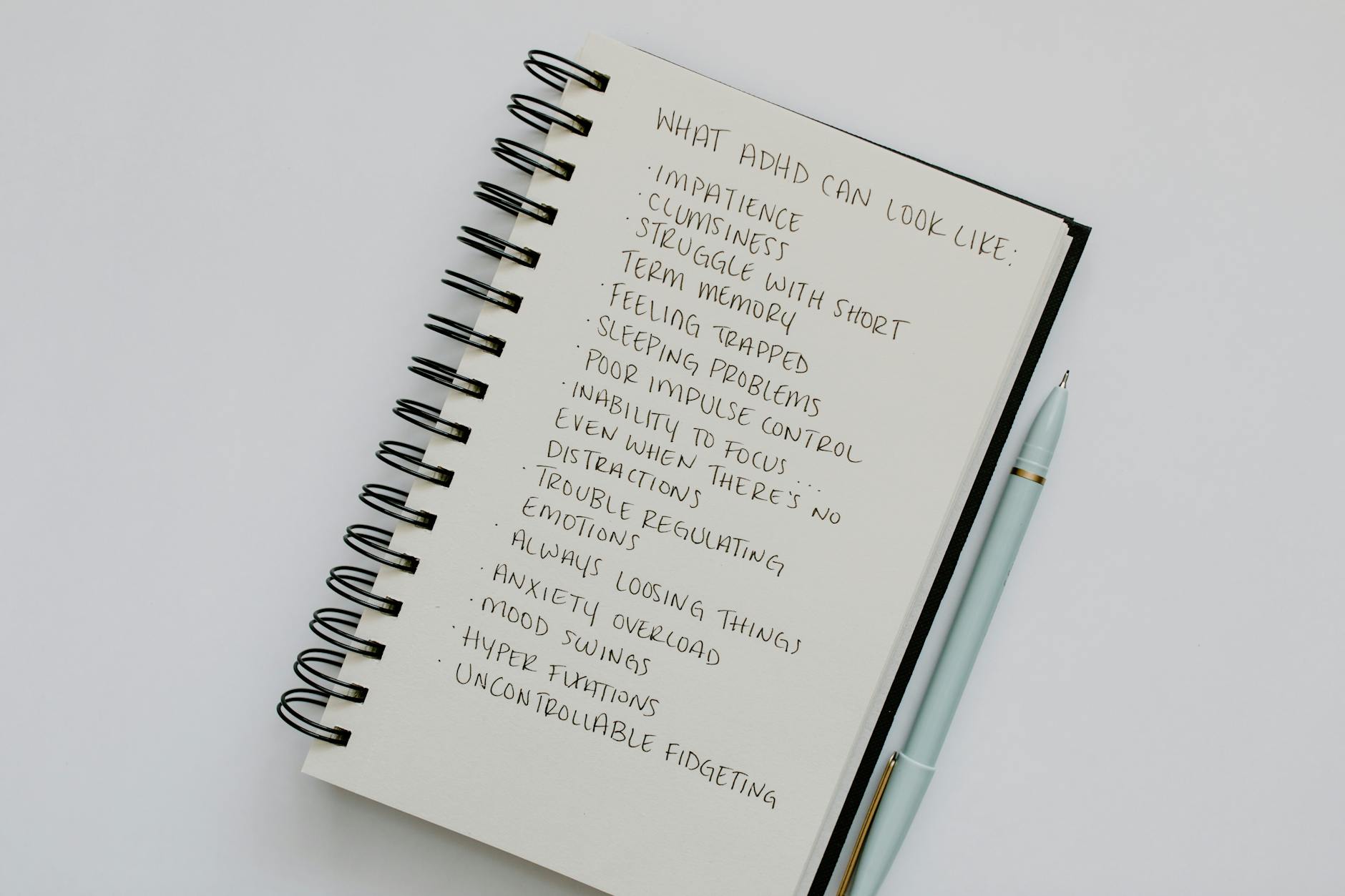
Navigating everyday life with ADHD presents a unique set of energy shifts. At one point, the motivation’s sky-high, and the next, even the simplest tasks can feel Herculean. ADHD impacts the brain’s executive functions, encompassing abilities like organization, time management, and focus. Contrary to common misconceptions, it isn’t merely an inability to pay attention. Those with ADHD often intensely focus on engaging tasks, yet struggle with mundane ones. Recognizing how these patterns play out personally is crucial for energy management.
Did you know that over six million children in the U.S. have been diagnosed with ADHD? It often continues into adulthood, intertwining with energy regulation challenges (Centers for Disease Control and Prevention, 2020).
The Science Behind Energy Levels in ADHD
Dopamine and norepinephrine are neurotransmitters vital for energy regulation in the brain. According to research shared by the American Psychiatric Association, deficiencies in these chemicals can hinder one’s ability to sustain drive. Grasping their mechanisms can guide effective strategy development for enhancing motivation.
Practical Strategies for ADHD Energy Management
1. Leverage Hyperfocus
Hyperfocus enables people with ADHD to concentrate deeply on tasks of interest for prolonged periods. So harnessing this energy is key:
- Prioritize Passion Projects: Begin your day with tasks that naturally intrigue you, maximizing the initial energy surge.
- Create Trigger Cues: Establish routines or environments that help you transition into a hyperfocus state as needed.
2. Implement Time Chunking
Structuring your day into focused work segments can aid energy regulation and boost productivity.
- Pomodoro Technique: Work in 25-minute intervals, followed by 5-minute breaks. This method helps maintain concentration while understanding personal limits (Cerrutti & Staforini, 2018).
3. Nutrition and Hydration
Diet is pivotal for energy management. Consuming whole foods that stabilize blood sugar can prevent energy dips.
- Protein-Rich Breakfast: Options like eggs and nuts can provide a sustained energy source to kickstart your day.
- Hydration: Even mild dehydration can lead to tiredness. A study in the Journal of Nutrition mentions that hydration levels significantly affect cognitive performance and mood.
4. Movement for Energy
ADHD minds respond well to physical activity. Exercise releases endorphins, increasing dopamine levels and aiding in regulating energy.
- Morning Exercise: Beginning your day with a brisk walk or brief yoga can be transformative. Research from the Mayo Clinic points out that even short exercise bursts improve energy for those with ADHD.
5. Optimize Your Environment
Crafting an ADHD-friendly workspace can cut distractions and elevate focus.
- Minimize Clutter: Keep your workspace tidy to steer clear of overstimulation.
- Ambient Sound: Consider using background noise or focus-enhancing music to create a conducive work environment.
The Role of Mindfulness
Mindfulness practices can help manage ADHD symptoms, including fluctuating energy levels. Methods like deep breathing, meditation, and body scans promote calmness and centeredness.
Begin a Mindful Routine
- Scheduled Breaks: Introduce mindfulness into breaks. A simple 5-minute breathing exercise can refresh focus (Zeidan et al., 2010).
- Mindful Transitions: Use mindfulness to transition smoothly between tasks, sustaining energy and reducing overwhelm.
Utilize Technology Wisely
In today’s digital era, technology provides tools to aid in energy management.
- Apps for Focus: Try focus-enhancing apps like Forest or Headspace to maintain momentum.
- Digital Reminders: Use reminders to divide tasks into smaller, achievable goals, ensuring steady progress.
Monitor and Adjust
Everyone’s ADHD experience is unique. Observing the impact of strategies on your energy levels and adjusting them as necessary is crucial.
- Daily Journaling: Document energy highs and lows to detect patterns.
- Adaptive Strategies: What enhances energy today might not have the same effect tomorrow. Be open to experimenting and adapting.
Self-Compassion is Key
Approaching ADHD energy management with kindness is crucial. Off days are natural, and valuing your productive moments is essential.
Is managing energy with ADHD about eradicating lows? Not quite. It’s more about surfing motivation waves effectively. Embrace strategies like these to seize control of your energy levels, enhancing motivation instantly. Some call ADHD a superpower—one needful of singular management techniques.
Boost your energy and productivity today! Test these strategies, and share which ones resonate best with you.
References
- Centers for Disease Control and Prevention. (2020). Data and Statistics About ADHD.
- Cerrutti, M., & Staforini, A. (2018). The Importance of the Pomodoro technique. Journal of Business Research, 79, 156-162.
- Zeidan, F., et al. (2010). Mindfulness meditation improves cognition: Evidence of brief mental training. Consciousness and Cognition, 19, 597-605.
- Mayo Clinic Staff. (n.d.). Exercise for Children and Adults with ADHD.