




Table of Contents
- Understanding Emotional Dysregulation in ADHD
- The Power of Mindfulness
- Cognitive Behavioral Techniques
- Building a Supportive Network
- Lifestyle Adjustments for Stability
- Developing Emotional Resilience
- Conclusion
- References
Understanding Emotional Dysregulation in ADHD
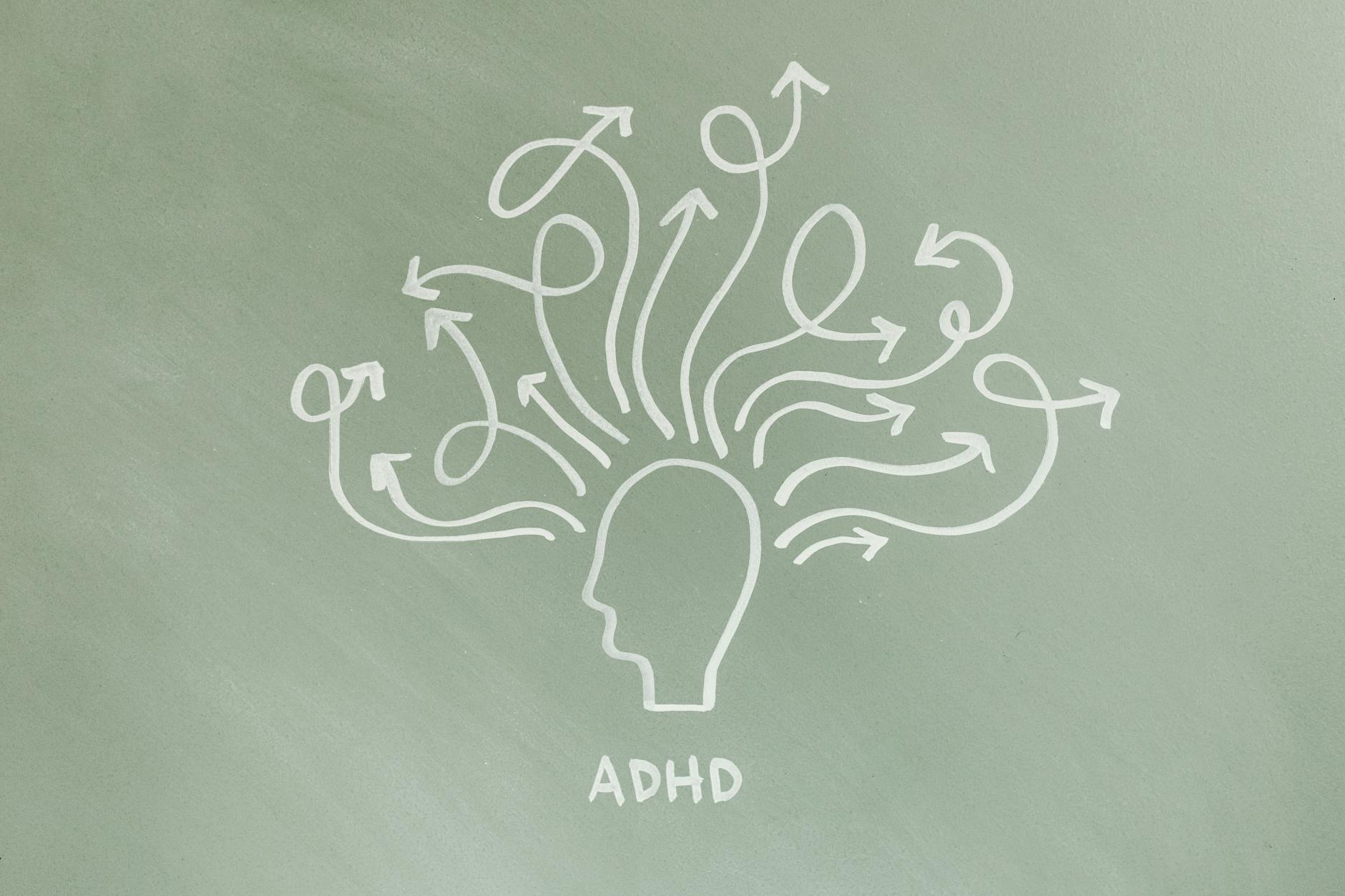
The emotional landscape for people with ADHD is often bumpy. Emotional dysregulation—marked by intense reactions often out of sync with what’s actually happening—is a common thread. Did you know about 70% of adults with ADHD report trouble with managing emotions? Emotional flare-ups and mood dives can lead to misunderstandings at home and work. Recognizing these patterns as part of ADHD, and not personal shortcomings, might actually be the first step toward achieving emotional mastery. Can we afford to ignore this?
The Power of Mindfulness
Incorporating Mindfulness Techniques
Ever tried mindfulness? It’s all about being in the moment, no judgments. Studies have shown that mindfulness can help enhance emotional stability and dial down impulsivity for folks with ADHD. Deep breathing, body scans, or a simple mindful walk—these are not just buzzwords; they’re bridges to better focus and self-awareness.
Practical Steps to Incorporate Mindfulness:
- Start Small: Just five minutes a day for starters—then slowly extend it as comfort grows.
- Guided Meditations: Ever used apps like Headspace or Calm? They’re treasure troves for guided sessions that hone emotional awareness.
- Daily Habit Integration: Make mindfulness a part of the daily grind. How about savoring each bite at breakfast or soaking in the beauty of a sunset? Little things count.
Cognitive Behavioral Techniques
Utilizing CBT for Emotional Management
Enter Cognitive Behavioral Therapy (CBT)—a game-changer for emotional regulation. CBT isn’t just jargon; it’s about unearthing and reshaping those pesky negative thought patterns that drive emotional responses. By using CBT techniques, we can challenge and flip our thoughts, paving the way for healthier reactions.
Practical CBT Exercises:
- Journaling: Track those negative vibes and work on changing them into realistic alternatives.
- Role-Playing Scenarios: Practicing emotionally tough spots in a safe setting can boost your confidence.
- Positive Self-Talk: Craft affirmations that negate self-doubt and highlight self-worth.
Building a Supportive Network
The Importance of Social Support
Going it alone in emotional mastery? That’s a tough sell. Having an understanding posse—friends, family, professionals—is crucial. From refuting those emotional wildfires to helping validate your feelings, social support can be a lifeline. Is it any wonder studies suggest that social backing can boost emotional management for those with ADHD?
Strategies for Building Your Support Network:
- Join ADHD Support Groups: Find your tribe. You’d be surprised how much shared experiences can lift you.
- Seek Professional Help: ADHD experts can tailor emotional regulation strategies just for you.
- Open Communication: Building sturdy relationships starts with clear-cut chats about your emotional needs.
Lifestyle Adjustments for Stability
Implementing Healthy Lifestyle Changes
Lifestyle tweaks—yes, they really do make a difference for emotional steadiness. By prioritizing things like regular workouts, eating right, and getting enough shut-eye, emotional regulation can soar.
Key Lifestyle Adjustments:
- Regular Physical Activity: Those exercise endorphins? Mood lifters and tier-one emotional resiliency allies.
- Balanced Diet: Omega-3s, anyone? Eating brain-boosting foods can bolster cognitive functions and emotional regulation.
- Proper Sleep Hygiene: Consistency with bedtime routines equates to a more stable mood and sharper focus.
Developing Emotional Resilience
Building Long-Term Emotional Strength
Emotional resilience isn’t a flip-the-switch kind of deal. It takes ongoing work but the payoff is golden—a more adaptable, unbreakable you. For those grappling with ADHD, enhancing resilience means accepting setbacks as learning lanes.
Resilience-Enhancing Practices:
- Set Realistic Expectations: Forget about perfection. Baby steps toward achievable goals nurture confidence.
- Embrace Positivity: Zero in on your strengths and past wins to maintain a bright outlook.
- Flexible Thinking: Adaptability is your best friend when setbacks rear their heads. Consider them learning experiences, not pitfalls.
Focusing on these practices could help individuals with ADHD cultivate a more balanced emotional state, reducing stress and amping up life satisfaction. Finding that space where emotions can flow freely—without tipping you over—is key to real emotional mastery.
Conclusion
Is emotional mastery for ADHD an end point? Hardly. It’s a journey filled with mindfulness, CBT techniques, supportive networks, lifestyle shifts, and resilience-building efforts. With these tools in your toolkit, navigating emotional challenges with poise is not a pipe dream. Can there be a more balanced future? You’re not alone on this path. Take those first steps to emotional stability by giving these strategies a try and rallying a supportive network around you. Embrace the ADHD emotional mastery journey for a brighter tomorrow.
References
- Barkley, R. A., & Fischer, M. (2010). The unique contribution of emotional impulsiveness to impairment in major life activities in hyperactive children as adults. Journal of the American Academy of Child & Adolescent Psychiatry, 49(5), 503-513.
- Azar, M., & Riahi, E. (2015). The effect of mindfulness-based stress reduction on emotional regulation and ADHD symptoms in adolescent girls with ADHD. Journal of Psychiatric and Mental Health Nursing, 22(5), 360-367.
- Shaw, P., Stringaris, A., Nigg, J., & Leibenluft, E. (2014). Emotion dysregulation in attention deficit hyperactivity disorder. The American Journal of Psychiatry, 171(3), 276-293.