




Table of Contents
- Understanding ADHD and Its Impact on Mental Wellness
- Crafting a Personalized Self-Care Plan
- Nutritional Wellness & ADHD
- Emotional and Social Self-Care
- Creating a Calming Space
- Closing Thoughts
- References
Understanding ADHD and Its Impact on Mental Wellness
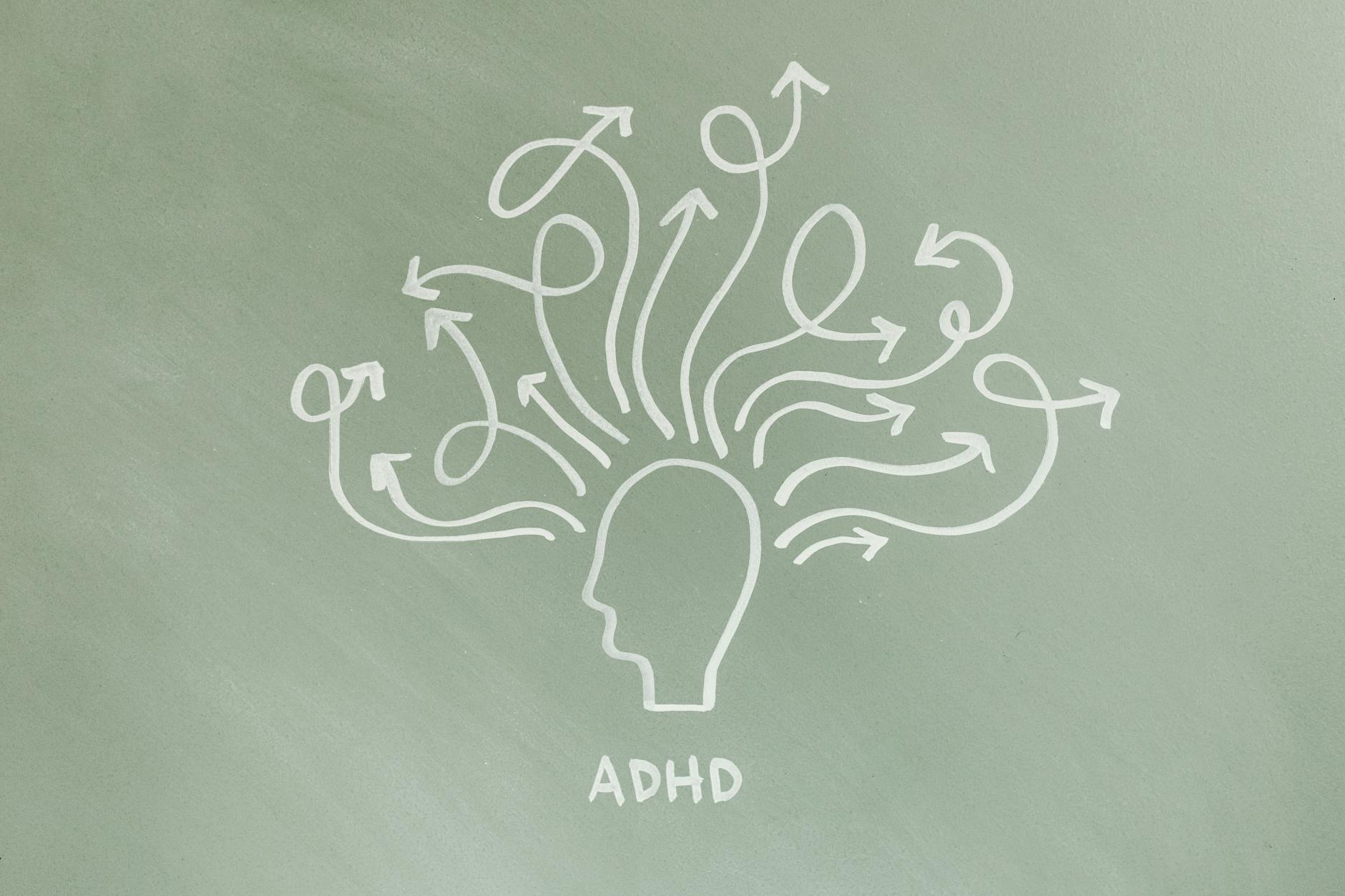
ADHD affects roughly 4.4% of adults in the United States, according to a report by Kessler et al. (2006). Marked by issues with inattention, hyperactivity, and impulsivity, ADHD can disrupt daily life and compound mental health challenges like anxiety and depression. Recognizing how ADHD impacts you personally is crucial—it’s the foundational step in building a self-care routine that genuinely enhances your mental well-being.
Crafting a Personalized Self-Care Plan
Self-care for ADHD stretches beyond the occasional treat; it demands routines and frameworks to minimize overwhelm and boost mental clarity. But how do you start?
1. Mindfulness and Meditation
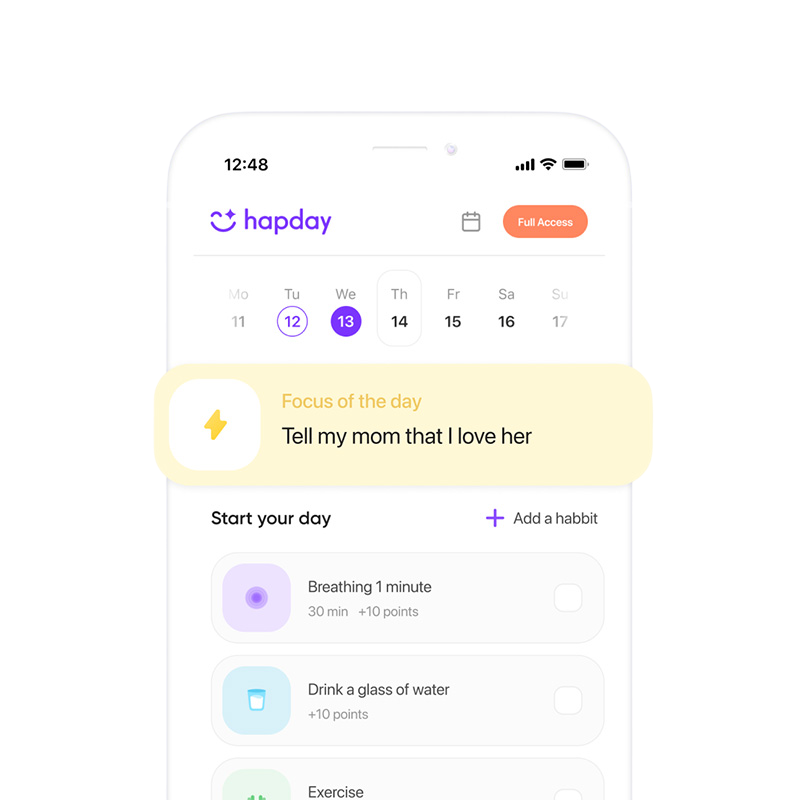
Mindfulness can vastly improve attention and cut down stress. A study in the Clinical Psychology Review noted that mindfulness-based interventions were beneficial in managing ADHD symptoms in adults. Try short, daily meditation sessions—apps like Headspace and Calm offer exercises tailored to ADHD, which can help calm racing thoughts and foster a sense of presence.
2. Routine and Structure
Creating a structured environment—without it feeling rigid—is vital. Start small: a daily planner or digital tools like Trello can work wonders. Use reminders to manage time and handle tasks, which can lower stress levels and heighten productivity. Honestly, finding what works for you might need a bit of trial and error.
Nutritional Wellness & ADHD
3. Balanced Nutrition
Nutritional choices can sway ADHD symptoms. An analysis in Psychiatric Clinics of North America suggested omega-3 fatty acids, found in fish like salmon, may enhance cognitive function. A diet enriched with fruits, veggies, whole grains, and lean proteins helps stabilize energy and boost brain health. But let’s keep this real—it’s about balance, not perfection.
4. Regular Exercise
Exercise is a cornerstone of effective ADHD self-care—it lifts moods, eases anxiety, and boosts attention. The Journal of Attention Disorders highlights that aerobic activity brings significant relief to adults with ADHD. Activities like yoga or Pilates don’t just exercise the body; they offer dual benefits by incorporating mindfulness, which is a win-win for mental wellness.
Emotional and Social Self-Care
5. Foster Supportive Relationships
Yes, ADHD can complicate social interactions. But relationships? They’re vital. Being connected with friends, family, or support groups provides that emotional anchor and fresh perspectives. Seek out ADHD-centric online communities or local meetups—they’re filled with others who share similar experiences.
6. Practice Emotional Regulation
Mastering emotion regulation can reduce stress and improve decision-making. Cognitive Behavioral Therapy (CBT) has proven effective in aiding adults with ADHD in managing their emotions, according to the Journal of Clinical Psychiatry. Daily habits like journaling and reflecting on emotional reactions encourage awareness and acceptance.
Creating a Calming Space
7. Declutter Your Environment
A cluttered space can amplify ADHD symptoms. A clean, organized environment reduces sensory overload and improves focus. Commit to small, regular decluttering efforts to maintain a peaceful workspace and home.
8. Engage in Hobbies That Soothe
Find activities that bring relaxation and joy—they counterbalance stress and promote stillness. Whether it’s gardening, painting, or playing an instrument, such hobbies enhance concentration while offering a creative outlet.
Closing Thoughts
Self-care is not just an act; it’s a daily commitment, a journey deeply personal, especially for those juggling ADHD. Integrate mindfulness, structure, nutrition, exercise, and emotional regulation into your daily life—not just to manage ADHD symptoms, but to uplift your mental wellness. Remember, enhancing mental wellness doesn’t happen overnight—it’s a gradual journey, each step a move towards a better self.
Start with one strategy today and observe how it transforms your life. Share your experiences and insights—after all, we’re in this together.
References
- Kessler, R. C., Adler, L., Barkley, R., et al. (2006). The prevalence and correlates of adult ADHD in the United States: Results from the National Comorbidity Survey Replication. The American Journal of Psychiatry, 163(4), 716-723.
- Sibley, M. H., Coxe, S., Molina, B. S., et al. (2014). Attention-deficit/hyperactivity disorder (ADHD) growth in social problems from childhood through adolescence. Journal of Clinical Child & Adolescent Psychology, 43(5), 764-777.
- Voigt, R. G., Llorente, A. M., Jensen, C. L., et al. (2006). A randomized, double-blind, placebo-controlled trial of docosahexaenoic acid supplementation in children with attention-deficit/hyperactivity disorder. Journal of Pediatrics, 148(2), 178-184.