




Table of Contents
- Understanding ADHD and Energy
- The Power of Routine and Structure
- Nutrition: Fuel for the ADHD Brain
- Harnessing Physical Activity
- Technology: A Double-Edged Sword
- Sleep: The Unsung Hero of Clarity
- Peer Support and Professional Guidance
Understanding ADHD and Energy
For those living with ADHD, energy encompasses more than just physical vitality. It’s heavily tied to mental resilience—particularly focus. Looking at the numbers, about 9.4% of children and 4.4% of adults in the U.S. alone have an ADHD diagnosis, says the CDC. That’s a significant number of individuals searching for ways to harness their energy and direct it towards productivity, aiming to clear away brain fog.
Some common symptoms? Difficulty focusing, hyperactivity, impulsiveness. These can touch every aspect of life—from daily tasks to academic performance, even relationships. But here’s an uplifting truth: symptoms can be managed. With targeted strategies, gaining mental clarity is within reach.
The Power of Routine and Structure
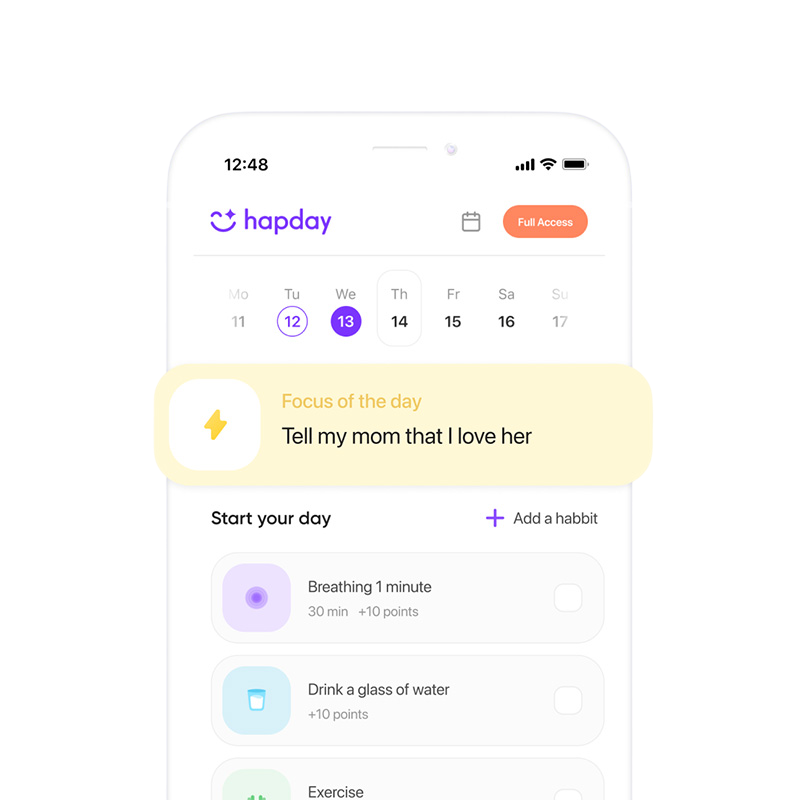
A structured daily routine can work wonders for those with ADHD. Back in 2018, a study in the Journal of Attention Disorders highlighted how consistent routines offer predictability and control, potentially dampening symptoms.
- Morning Routines: Starting on the right foot? Essential! Develop a morning checklist with timed wake-ups, personal hygiene tasks, and culminating in a brief mindfulness session. Mindfulness, according to a 2016 Journal of Child and Family Studies article, boosts attention and reduces anxiety—benefits anyone with ADHD would welcome.
- Use of Timers: Enter the Pomodoro Technique. It’s like a breath of fresh air—focused work bursts of 25 minutes, followed by a 5-minute break. It aids in attention maintenance while thwarting burnout.
Nutrition: Fuel for the ADHD Brain
Nutrition plays a crucial role when managing ADHD. A balanced diet? It can stabilize energy levels, enhance cognitive functions. The European Journal of Clinical Nutrition in 2017 reflected on the benefits of omega-3s, found abundantly in salmon and flaxseeds, for brain function.
- Breakfast Boost: Opt for protein-rich meals to kickstart concentration and curb hyperactivity. Think eggs, nuts, yogurt—simple yet effective.
- Stay Hydrated: Sometimes dehydration wears a mask, masquerading as a lack of focus. Keep yourself hydrated throughout the day to avoid this trap.
Harnessing Physical Activity
Regular physical activity isn’t just a suggestion; it’s a proven method to manage ADHD symptoms. Exercise releases dopamine and serotonin, neurotransmitters that elevate mood and concentration. A study in the Journal of ADHD and Related Disorders from 2018 pointed out the positive effects of exercise on ADHD.
- Daily Movement: Aim for at least 30 minutes of moderate exercise. Whether it’s brisk walking or cycling, short movements sprinkled throughout the day can lift energy levels and diminish stress.
- Mind-Body Practices: Yoga, tai chi—they bring even more benefits. Their focus on breath and movement alignment enhances mindfulness, reduces impulsivity.
Technology: A Double-Edged Sword
Technology? It distracts but also offers tools. When harnessed well, apps like Todoist or Trello organize tasks and deadlines, turning chaos into order for those with ADHD.
- Limit Screen Time: Employ apps like Forest or Focus@Will to curb distractions, aiming for digital devices to enhance—not hinder—productivity.
- Digital Declutters: Regularly declutter digital workspaces. Keep only essentials visible at work, banishing unnecessary files elsewhere.
Sleep: The Unsung Hero of Clarity
Sleep is not just restorative—it’s foundational in managing ADHD symptoms. The National Sleep Foundation advises 7-9 hours for adults, stressing that sleep deprivation could exacerbate attention issues.
- Sleep Hygiene: A relaxing bedtime routine? Non-negotiable. Minimize screens an hour before bed for melatonin production, use white noise machines to fend off sleep disturbances.
- Track Patterns: Utilize sleep apps to recognize patterns and disruptions, adjusting habits to improve sleep quality accordingly.
Peer Support and Professional Guidance
Managing ADHD doesn’t have to be a solo mission. Professional guidance and peer support offer customized tools and encouragement.
- Therapy and Counseling: Cognitive-behavioral therapy? It’s a game-changer, says the American Psychological Association. Develop personal coping strategies that cater to unique needs.
- Support Groups: Engaging with ADHD networks introduces shared stories and solutions—learn from those on similar journeys.
Embracing these ADHD energy hacks could provide the clarity needed for life’s daily challenges. Adjusting these strategies to fit personal needs can pave the way for focus, productivity, and emotional strength.
Finding mental clarity with ADHD is a journey of dedication and trial. Exploring these energy hacks is just one part of the puzzle. Progress demands patience. With persistence, energy-boosting routines can transform moments of scattered thoughts into coherent strides forward.
Eager to begin this journey? Subscribe to FocusFlows for deeper insights and a community that understands every step. Join us today.