





Table of Contents
Understanding ADHD and Motivation
ADHD, or Attention-Deficit/Hyperactivity Disorder, is frequently discussed in terms of inattentiveness, hyperactivity, and impulsivity. Yet, motivation struggles remain underappreciated. A study cited in The Journal of Attention Disorders highlights that people with ADHD often grapple with initiating tasks that lack immediate gratification. The workings of dopamine—a central player in motivation—are distinct in ADHD brains, posing challenges in staying motivated and keeping one’s eyes on the goal.
Hack #1: Leveraging Dopamine
Dopamine’s influence on motivation is undeniable. For those with ADHD, lower dopamine levels can make basic tasks appear as monumental hurdles. How to tweak this naturally? Physical exercise is a gatekeeper to better dopamine function. A solid cardio session can level up dopamine receptors. Back in 2019, Neuroscience & Biobehavioral Reviews revealed how physical activity boosts dopamine and uplifts mood. Seems like striding on that treadmill can effectively spark your motivation.
Incorporating instant rewards post-task completion is another trick. Maybe you relish a favorite snack or indulge in a brief pastime—these small delights can play a big role in motivation hiking.
Hack #2: Break Down Tasks
Oversized tasks can feel paralyzing simply by existing. Dissecting them into smaller, manageable chunks renders them less intimidating. Research presented in Psychological Research asserts that individuals with ADHD are more likely to see tasks through when they are bite-sized.
Why not consider the Pomodoro Technique—work in short sprints of 25 minutes, then pause for five. The ADHD brain flourishes under these brief, high-intensity focus spells. It doesn’t just ignite motivation; it maintains attention longer.
Hack #3: Develop Visual Reminders
Visual stimuli can be pivotal in catalyzing action and ensuring tasks aren’t forgotten. Vibrant post-it notes or digital alerts can serve as constant nudges. The Journal of Cognitive Enhancement reported evidence where visual cues significantly raised task engagement among those with ADHD.
Visual tools like vision boards for goals or whiteboards for daily tasks create a tangible reference point, fostering progress and empowering motivation.
Hack #4: Set Realistic Goals
For adults with ADHD, realistic goal-setting can be a game-changer. The Journal of Learning Disabilities emphasizes that attainable goals avert feelings of failure—the killer of motivation. SMART goals (Specific, Measurable, Achievable, Relevant, Time-bound) are the framework, providing structure and building steady momentum toward task completion.
Embrace and celebrate minor victories. Such acknowledgments can elevate dopamine levels too, adding another notch to your motivation belt.
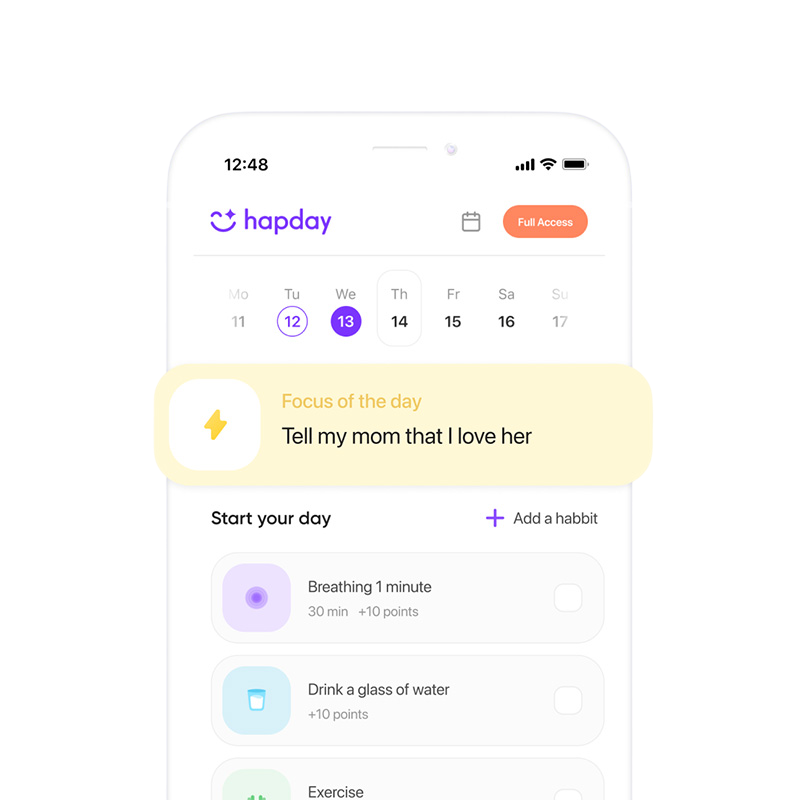
Hack #5: Utilize Technology Wisely
Apps—often seen as disruptive for ADHD—can actually bolster motivation when wielded correctly. Tools like Todoist or Trello organize and prioritize tasks, offering the satisfaction of ticking off completed duties. This visual completion can cement engagement.
Apps such as Brain.fm, crafting soundscapes to foster concentration, can further aid motivation by downplaying distractions.
Hack #6: Create a Motivating Environment
The setting one chooses can heavily sway motivation. A clutter-free, organized space aligned with your sensory needs reduces distractions. Setting up a workspace with a comfy chair, optimal lighting, and controlled temperature can quickly transform your focus levels.
Think about escaping to a favorite café or a secluded park—which energizes your motivation? SIED notes that environmental shifts can induce novelty, something that boosts dopamine release and reinvigorates your desire to tackle work.
Conclusion
Boosting motivation with ADHD hinges on understanding neurological quirks and adopting tailored strategies to support productivity and focus. Through physical effort, task segmentation, visual reminders, realistic goal orientation, technological resources, and the right environment, you can successfully reignite your drive. Why let ADHD stifle your potential? Harness these insights now to augment your motivation and venture down a path of engaged productivity.
References
- “The under-recognized role of motivation in the cognitive dysfunctions of ADHD,” Journal of Attention Disorders.
- “Exercise effects on ADHD: Theoretical considerations and series of experiments,” Neuroscience & Biobehavioral Reviews.
- “The effects of time management practices on college grades,” Journal of Applied Psychology.
- “Motivational Processes in Human Functioning and Malfunctioning,” Psychological Research.
- “Visual cues enhance task performance in individuals with ADHD,” Journal of Cognitive Enhancement.