




“`
Table of Contents
- Understanding ADHD Motivation
- Boosting ADHD Motivation
- Structure and Routine: Create Predictability
- Break Tasks into Smaller Steps
- Dopamine-Driven Rewards
- Understanding Emotional Needs
- Seek Social Connection
- Leveraging Tools and Resources
- Overcoming Barriers to Motivation
- Conclusion: Ignite Focus Today
- References
Understanding ADHD Motivation
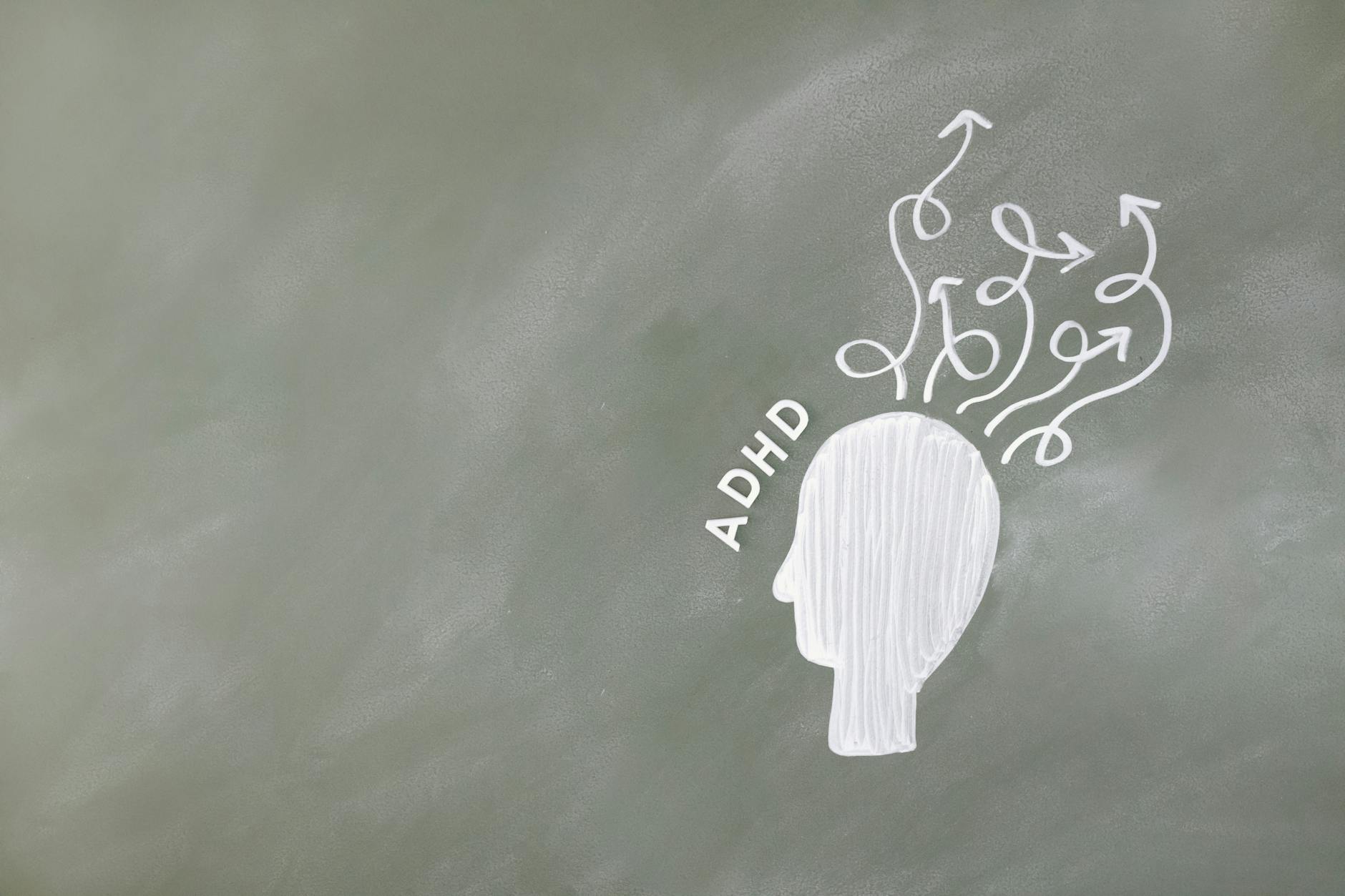
Navigating motivation with ADHD transcends mere willpower; it’s deeply linked to brain chemistry. The ADHD brain struggles with dopamine regulation, a crucial aspect affecting motivation and the processing of rewards, which ultimately impacts focus. This connection means that usual motivational methods may not always hit the mark. But here’s some good news: with a carefully tailored approach, increasing motivation and honing focus becomes achievable. (Consider the findings of Faraone and his colleagues back in 2015.)
Boosting ADHD Motivation
The journey to enhancing motivation for individuals with ADHD requires specific strategies aligned with the unique workings of the ADHD brain. Here’s a look at how to boost ADHD motivation.
1. Structure and Routine: Create Predictability
One of the most effective strategies is implementing a consistent routine to enhance motivation for those with ADHD. Establishing daily structure minimizes unpredictability, which can often throw focus off course.
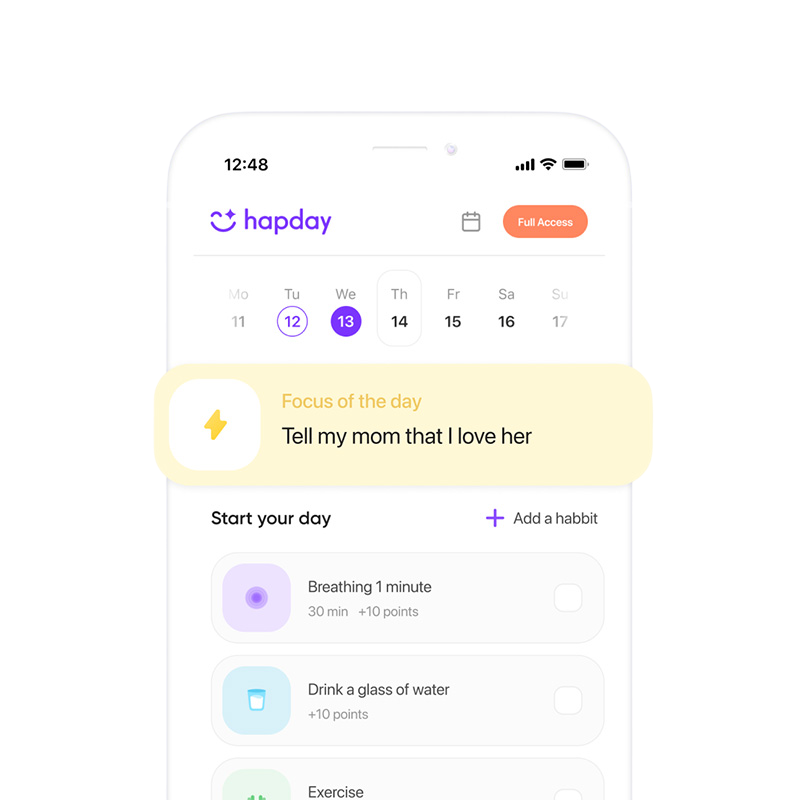
- Time Management Tools: Apps such as Todoist or Trello can organize your day effectively. Incorporating alarms or timers can assist in task-switching, maintaining a rhythm that fuels momentum.
- Visual Schedules: Tools like calendars and to-do lists provide constant visual cues, keeping priorities in check.
2. Break Tasks into Smaller Steps
For many with ADHD, overwhelm is like an unwelcome companion, often leading to procrastination. By breaking tasks into smaller, more digestible steps, one can derive a sense of accomplishment, which sustains motivational momentum.
- The Pomodoro Technique: Work in short, focused bursts of about 25 minutes, followed by brief breaks. This technique keeps attention intact, without overwhelming the brain, hence boosting productivity and focus. (Cirillo’s work in 2006 sparked a revolution in how tasks are approached.)
3. Dopamine-Driven Rewards
Utilize the brain’s dopamine response through reward systems. Rewarding yourself after completing tasks can strengthen motivation by fostering positive task completion associations.
- Immediate Rewards: Small gratifications like a favorite snack or a brief social media break can work wonders.
- Longer-term Goals: Engage in bigger rewards when you hit notable milestones. Anticipation can be a potent motivator.
4. Understanding Emotional Needs
ADHD isn’t merely about time management; it significantly involves handling emotions, which critically shape motivation levels.
- Mindfulness Practices: Techniques like meditation or deep breathing exercises help manage stress and refocus energy. Such practices induce a calming effect on racing thoughts, thereby enhancing attention. (Zylowska and her team highlighted this in their 2008 study.)
5. Seek Social Connection
Human beings are inherently social creatures, and connection plays a dynamic role in sharpening focus.
- Accountability Partners: Sharing your goals with someone who can offer encouragement boosts accountability and motivation.
- Co-Working Spaces: Being around others also striving towards their goals provides a supportive backdrop for enhanced attentiveness.
Leveraging Tools and Resources
Technology presents multiple resources aimed specifically at helping those with ADHD boost motivation:
- Focus Apps: Applications like Focus@Will or Brain.fm can adjust background noise to heighten concentration.
- Mind Mapping Tools: Tools such as MindMeister offer a creative approach to organizing thoughts and tasks visually.
Overcoming Barriers to Motivation
Despite our best efforts, slumps in motivation will surface. Tackling them head-on is key to long-term success.
1. Recognize Patterns
Develop an understanding of your natural energy cycles throughout the day or week. Identifying times when you’re most alert helps in planning high-priority tasks during those periods.
2. Self-Compassion
Harsh self-criticism can further erode motivation. Instead, counter negative self-talk with positive affirmations and recognize that setbacks are simply part of the journey.
Conclusion: Ignite Focus Today
Living with ADHD doesn’t equate to a life devoid of motivation. By embracing strategies tailored to the unique dynamic of the ADHD brain, adults can learn to sharpen their focus and drive their ambitions with more efficiency. Implement these practices into your routine and watch your focus illuminate as you stride towards your desired goals.
Take charge. Apply these techniques and permit motivation to elevate you to new heights. Begin today, and transform your ADHD hurdles into strengths.
References
- Faraone, S. V., Buitelaar, J., & Peterson, I. (2015). The impact of ADHD in adults. Nature Reviews Neurology.
- Cirillo, F. (2006). The Pomodoro Technique. Francesco Cirillo Consultancy.
- Zylowska, L., Ackerman, D. L., Yang, M. H., Futrell, J. L., Horton, N. L., Hale, T. S., … & Smalley, S. L. (2008). Mindfulness meditation and adult ADHD. Consciousness and Cognition, 17(1), 464–475.
“`