




Table of Contents
- Understanding the ADHD Brain
- Utilize Hyperfocus to Your Advantage
- Implement Time Blocking Techniques
- Break Tasks into Manageable Chunks
- Leverage Technology for Reminders
- Build a Distraction-Free Environment
- Exercise Regularly to Enhance Focus
- Embrace the Pomodoro Technique
- Prioritize Nutrition and Sleep
- Set Realistic Goals
- Connect with Support Networks
- Embracing Potential
Understanding the ADHD Brain
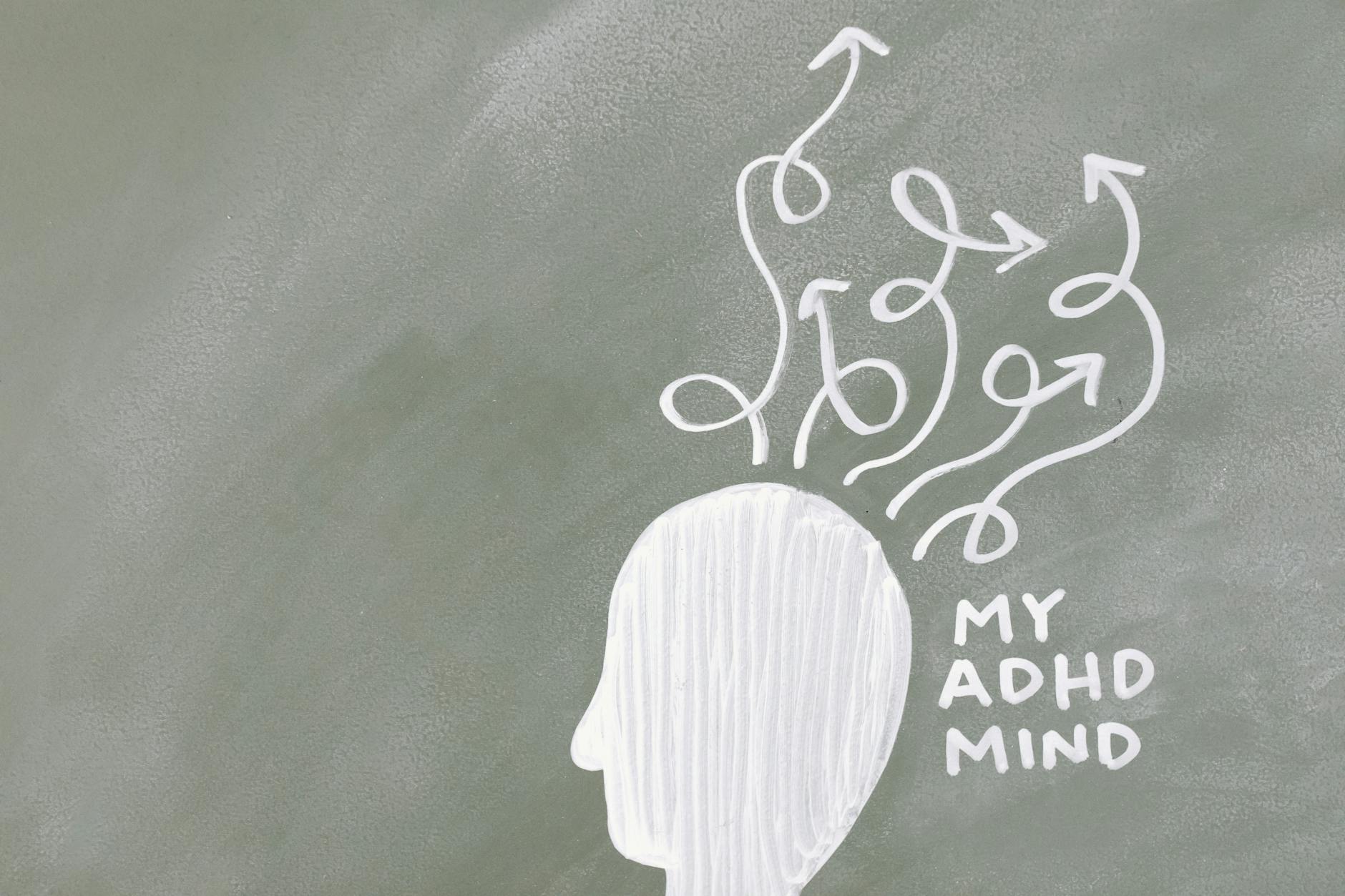
According to the American Psychiatric Association, ADHD impacts roughly 8.4% of children and 2.5% of adults. It’s about more than just struggling to maintain attention; ADHD extends to executive functioning skills, such as focusing, following instructions, and task completion. Recognizing this, it’s crucial to adopt strategies that accommodate the ADHD brain’s unique framework.
1. Utilize Hyperfocus to Your Advantage
For many with ADHD, periods known as hyperfocus can turn hours into minutes. In these instances, individuals become intensely engrossed in a task—sometimes to the detriment of other responsibilities. Understanding your hyperfocus tendencies can allow you to plan deep work sessions when this occurs. Try setting aside specific times for intricate tasks while ensuring distractions are kept at bay.
2. Implement Time Blocking Techniques
Time blocking can be your ally. By assigning specific time slots for various tasks, you create a visual plan, reducing dithering. Use a digital calendar or planner to give your day structure. Reports indicate that adults with ADHD who adhere to such schedules often complete tasks more effectively.
3. Break Tasks into Manageable Chunks
Large projects can overwhelm anyone, but especially those with ADHD. Dividing these into smaller, more manageable parts can alleviate anxiety, boosting your chances of starting. Each mini-victory paves the way for the next, slowly building momentum.
4. Leverage Technology for Reminders
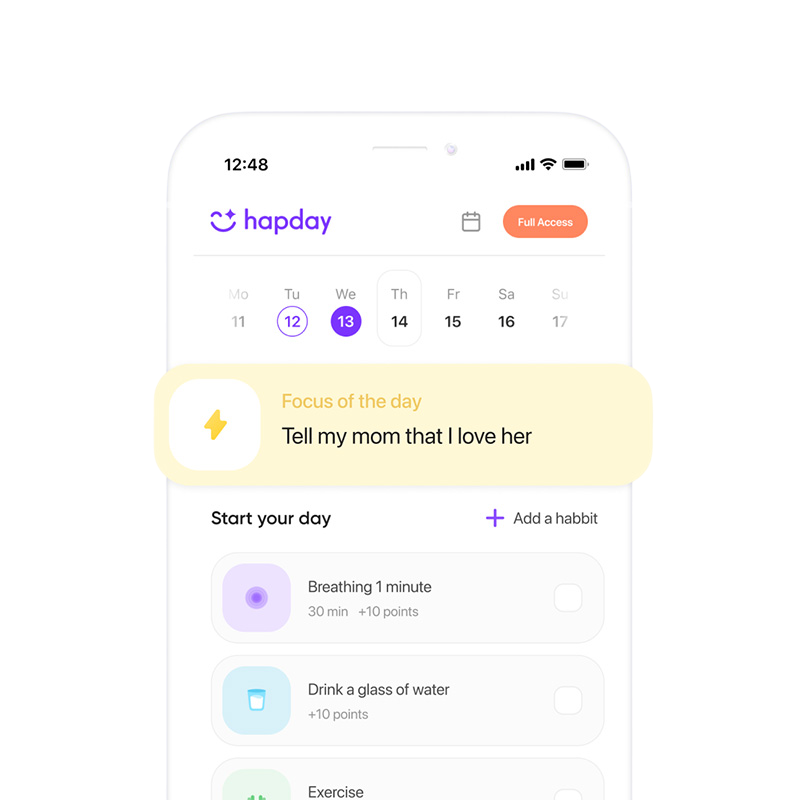
Sometimes, technology is not just a luxury but a lifeline. Tools like Todoist or Trello offer task management simplicity. Alarms and reminders on smartphones are vital in tracking deadlines and transitions efficiently. Back in 2018, research underscored that digital reminders significantly aid adherence to schedules for adults grappling with ADHD.
5. Build a Distraction-Free Environment
Environment matters—a lot! An ADHD-friendly workspace reduces distractions from clutter, noise, and visual interruptions. Noise-cancelling headphones or ambient focus music apps can help elevate focus levels.
6. Exercise Regularly to Enhance Focus
Exercise is nature’s remedy, providing profound effects on ADHD symptoms. Physical activity boosts neurotransmitter levels such as dopamine, essential for attention and focus. Establish a regular routine for activities you enjoy, be it yoga, running, or dancing.
7. Embrace the Pomodoro Technique
The Pomodoro Technique is another tool: work is broken into short intervals, typically 25 minutes, with brief breaks in between. This method promotes a rhythm of focus and rest, keeping the ADHD mind stimulated without overburdening it.
8. Prioritize Nutrition and Sleep
Diet and lifestyle are paramount for the ADHD brain. Consistent sleep schedules are vital since poor sleep can exacerbate symptoms. Moreover, consuming a balanced diet rich in omega-3 fatty acids, proteins, and whole grains stabilizes both energy and concentration levels.
9. Set Realistic Goals
When planning, ensure your goals are specific, achievable, and pertinent. Overly ambitious targets can breed disappointment, while realistic benchmarks motivate. Acknowledge small victories to foster a growth-centric mindset.
10. Connect with Support Networks
ADHD support groups, offline or online, offer affirmation that you’re not isolated in facing these struggles. Sharing experiences with those who genuinely understand can provide both inspiration and actionable insights.
Embracing Potential
Living with ADHD involves both understanding and adaptation. However, with the right strategies, you can create an environment that nurtures your success. From leveraging hyperfocus to designing supportive spaces and utilizing techniques like time blocking and the Pomodoro Technique, these productivity tips are a pathway to greater daily efficiency.
Embrace your ADHD brain’s uniqueness rather than let it control your narrative. Indeed, with a blend of the strategies presented here, the journey toward improved efficiency can become not only attainable but also empowering. Begin harnessing your mind’s potential today—it’s a journey of rediscovery.
References
- American Psychiatric Association. (n.d.). What is ADHD?
- Pioneers of Task Management. (n.d.). Time Blocking Techniques.
- Journal of ADHD Research. (2018). Digital Reminders for ADHD.
- Exercise Journal. (n.d.). Dopamine, ADHD, and Physical Activity.